
Transportation in Chile: How to Get Around the Country
Chile is long and narrow, so smart transportation planning makes all the difference.
This article may contain affiliate links.
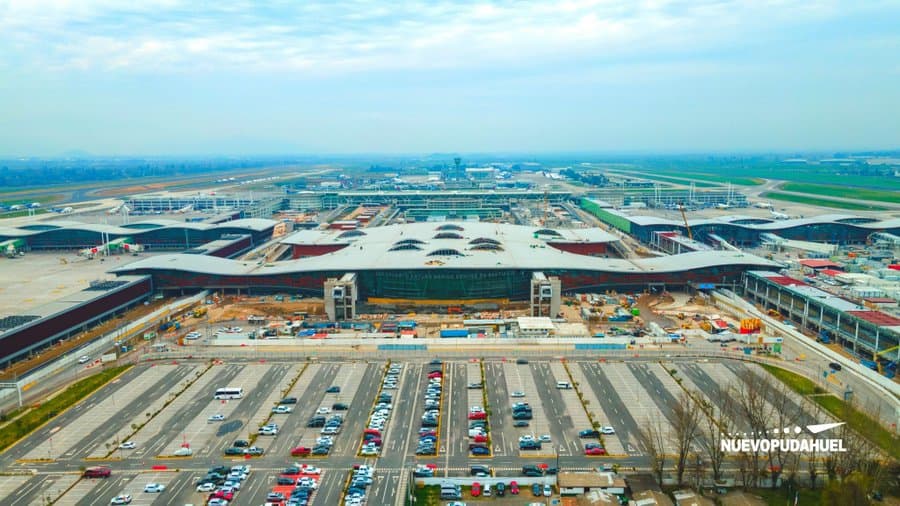
Chile is a long and narrow country stretching more than 4,000 km (2,600 miles) from north to south, which means transportation plays an important role when planning your trip. The good news is that Chile has a well-developed transportation system with reliable domestic flights, long-distance buses, and efficient public transport in major cities.
Most international travelers will begin their journey in Santiago, the capital and main international gateway to Chile. From there, you can easily reach the country’s most famous destinations like Patagonia, the Atacama Desert, or the Pacific coast.
Below is a practical guide explaining the best ways to get into Chile and how to move around once you’re here.
Flying Into Chile
For most international travelers, the easiest way to enter Chile is by flying into Santiago International Airport (Arturo Merino Benítez Airport).
This airport receives direct flights from many major cities around the world including:
- New York
- Miami
- Atlanta
- Madrid
- Paris
- London
- Toronto
- Mexico City
- São Paulo
- Buenos Aires
Because Santiago sits in the center of the country, it’s the perfect starting point for exploring Chile.
Most travelers spend 2–3 days in Santiago before continuing their trip to Patagonia, the Atacama Desert, or other regions.
Getting to Patagonia
Patagonia is one of the biggest highlights of any trip to Chile. The most famous destination in the region is Torres del Paine National Park, known for its dramatic mountains, glaciers, and some of the best hiking in the world.
The gateway cities to Chilean Patagonia are Punta Arenas and Puerto Natales.
Flying to Punta Arenas
For many years, the main way to reach Patagonia was to fly from Santiago to Punta Arenas, the southernmost major city in Chile.
The flight takes about 3.5 hours.
Punta Arenas itself is a fascinating city with strong European influences and a rich maritime history. One of the most popular excursions from Punta Arenas is a boat trip to Magdalena Island, home to tens of thousands of Magellanic penguins.
Walking through the island while penguins wander freely around you is an unforgettable experience and one of the most unique wildlife tours in Chile.
From Punta Arenas, travelers usually continue to Puerto Natales, a small town located about 3 hours north by bus and the main base for visiting Torres del Paine National Park.
Flying Directly to Puerto Natales
Today, travelers have an even easier option.
During the tourism season, many flights go directly from Santiago to Puerto Natales Airport, allowing you to arrive much closer to Torres del Paine.
Puerto Natales is the closest city to the national park and the main starting point for hiking trips, glacier excursions, and boat tours.
For travelers with limited time, flying directly to Puerto Natales is usually the most convenient option.
Domestic Flights Within Chile
Because of the country’s size, flying is often the fastest way to travel between regions.
Domestic flights connect Santiago with destinations across Chile including:
- Puerto Natales (Patagonia)
- Punta Arenas (Patagonia)
- Calama (gateway to the Atacama Desert)
- Antofagasta
- Puerto Montt (gateway to the Chilean Lake District)
- Easter Island
The flight from Santiago to Patagonia typically takes about 3 to 4 hours, while flights to northern Chile are usually around 2 hours.
The main airlines operating domestic flights include:
- LATAM Airlines
- Sky Airline
- JetSMART
Booking flights a few weeks in advance can often result in very affordable prices.
Long-Distance Buses
Chile has one of the best long-distance bus systems in South America.
Comfortable buses connect cities throughout the country and are often a good alternative to flying if you have more time and want to travel on a budget.
Some buses even offer fully reclining seats (similar to business class on airplanes) for overnight journeys.
Popular routes include:
- Santiago → Valparaíso (1.5 hours)
- Santiago → San Pedro de Atacama (around 24 hours)
- Puerto Montt → Patagonia routes
Major bus companies include:
- TurBus
- Pullman Bus
- Jet Sur
- Buses Fernández
For shorter distances, buses are very affordable and run frequently.
Getting Around Santiago
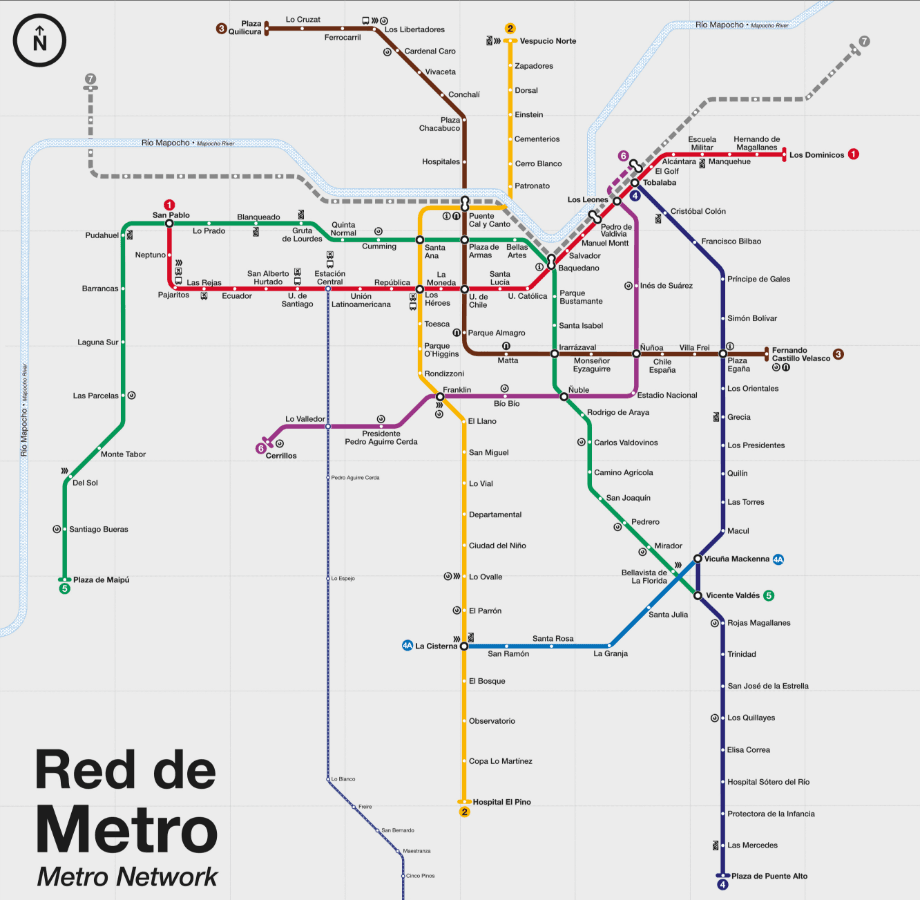
Santiago has one of the most modern public transportation systems in South America.
The city is served by a large network of metro lines and buses, which are integrated into a single system.
The metro is one of the best in South America, with modern cars and extensive lines that cover most of the city.
To use public transport, you need a rechargeable card called the Bip! Card. This card works for both the subway and the bus network.
The card can be purchased at any metro station and recharged with money for your trips.
Typical fares are around 700–870 Chilean pesos (about $0.80–$1 USD) depending on the time of day.
Once you tap your card, you can transfer between buses and the metro within a limited time window without paying a full second fare.
The metro is clean, safe, and one of the easiest ways to move around the city.
Uber, Taxis, and Ride Apps
Ride-sharing apps are widely used in Chile.
Uber is extremely common in Santiago and other major cities, and it is often cheaper than taxis.
Other apps like Cabify and DiDi also operate in some cities.
For short trips around Santiago, Uber rides often cost between $4 and $10, depending on distance and traffic.
This is usually the easiest option for tourists who prefer convenience.
Renting a Car
Renting a car is not necessary in Santiago, but it can be useful in certain regions of Chile.
Car rentals are especially popular for exploring:
- The Atacama Desert
- The Chilean Lake District
- The Carretera Austral
- Wine regions near Santiago
Driving in Chile is generally safe, and the road infrastructure is well developed compared to many countries in the region.
Transportation in Valparaíso
Valparaíso is located about 1.5 hours from Santiago and is easy to reach by bus.
Buses depart frequently from Santiago’s main bus terminals, and the trip usually costs between $5 and $10.
Once in Valparaíso, the city is famous for its historic funicular elevators, colorful staircases, and walkable hills.
Final Thoughts
Transportation in Chile is relatively easy to navigate, even for first-time visitors.
Most travelers will start their journey in Santiago, explore the city for a couple of days, and then fly to other regions like Patagonia or the Atacama Desert.
Domestic flights save time, buses are comfortable and affordable, and public transportation in cities like Santiago is modern and efficient.
With a little planning, getting around Chile is simple—and it opens the door to some of the most spectacular landscapes in the world.
Keep Reading
Explore more Chile trip-planning guides, practical tips, and itinerary ideas.
Seasonal Guide
Best Time to Visit
Choose the right season for Patagonia hikes, wine country, ski trips, and desert adventures.
Travel Safety
Is Chile Safe?
Understand city awareness, regional safety, and practical travel habits for a smoother trip.
Budget Planning
Trip Cost
Plan your daily budget for hotels, food, flights, tours, and comfort level across Chile.
Entry Rules
Visa Guide
Review entry rules, passport considerations, and the essentials to check before departure.
Trip Outline
7-Day Itinerary
Follow a polished one-week route through Santiago, the coast, wine country, and Patagonia.