
Destination Guide
Atacama Desert
Surreal salt flats, volcanic peaks, and the clearest night skies on Earth.
The Atacama delivers lunar landscapes, flamingo lagoons, and world-class stargazing. Base yourself in San Pedro de Atacama for easy access to tours.
The Atacama Desert, located in northern Chile, is the driest non-polar desert on Earth and one of the most surreal landscapes you will ever see. Most travelers base themselves in the small oasis town of San Pedro de Atacama, from where daily tours depart to otherworldly destinations like Valle de la Luna, high-altitude salt flats, flamingo-filled lagoons, and the El Tatio geysers. The region is also one of the best places in the world for stargazing due to its clear skies and high elevation. Plan to spend at least 3–4 days here to fully experience its dramatic sunsets, volcanic scenery, and unique desert wildlife.
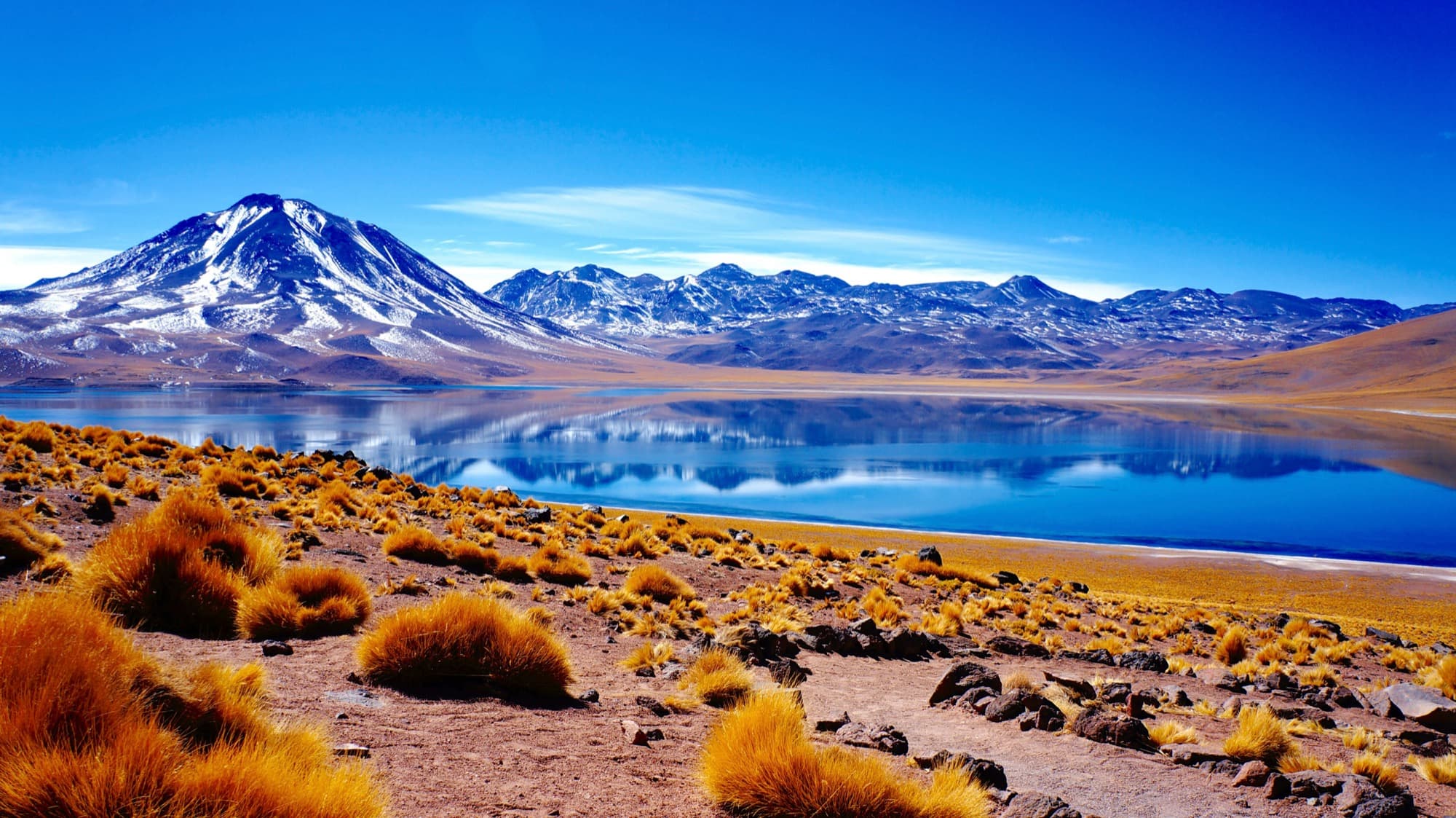
Photo by Bailey Hall on Unsplash
This article may contain affiliate links.
THINGS TO DO IN THE ATACAMA DESERT, CHILE
Visitors searching for things to do in the Atacama Desert Chile will discover one of the most extraordinary landscapes on Earth. Known as the driest desert in the world, the Atacama is famous for its otherworldly scenery, salt flats, geysers, volcanoes, lagoons filled with flamingos, and some of the clearest night skies on the planet. Most travelers base themselves in the small town of San Pedro de Atacama, which serves as the gateway to the region’s most spectacular natural attractions. This Atacama Desert travel guide highlights the best tours, landscapes, and experiences to help you plan an unforgettable visit to northern Chile.
Best Time to Visit the Atacama Desert
The Atacama Desert can be visited year-round, but weather conditions vary depending on the season.
March – May (Autumn) — Pleasant temperatures and fewer tourists.
September – November (Spring) — Great weather and clear skies.
Summer months (December – February) can bring occasional Altiplanic storms, while winter nights can be very cold due to the desert’s high altitude.
Because of the extreme dryness and altitude, it’s important to drink plenty of water and take time to acclimatize during your first day in San Pedro de Atacama.
How to Get to the Atacama Desert
The easiest way to reach the Atacama Desert is by flying from Santiago to Calama Airport (El Loa Airport).
Flight time: about 2 hours.
From Calama, visitors usually take a shared shuttle or transfer to San Pedro de Atacama, which takes about 1 hour and 15 minutes.
Most hotels and tour agencies in San Pedro can help arrange transportation and excursions.
Explore San Pedro de Atacama
The small oasis town of San Pedro de Atacama is the main base for exploring the desert. Located at about 2,400 meters (7,900 feet) above sea level, the town is surrounded by volcanoes, salt flats, and dramatic desert landscapes.
San Pedro was originally an Atacameño indigenous settlement long before the arrival of the Spanish in the 16th century. Today it remains a small desert town with adobe buildings, dusty streets, and a relaxed atmosphere that attracts travelers from all over the world.
The center of town is built around Plaza de Armas, where you’ll find restaurants, cafés, small shops, and tour agencies offering excursions to the surrounding attractions.
Because nearly every major attraction in the Atacama Desert requires transportation, most visitors spend their time in San Pedro booking day tours that depart early in the morning or late in the afternoon.
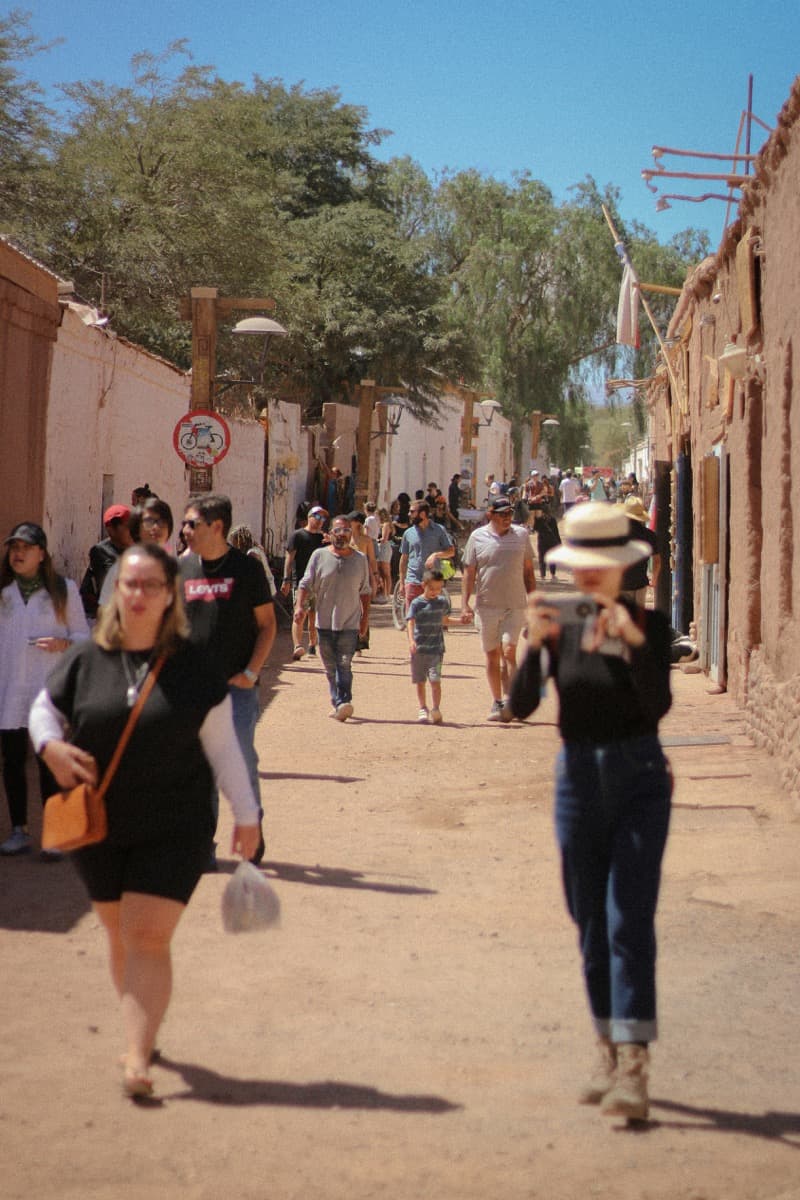
Photo by Amanda María on Unsplash
Visit Valle de la Luna (Moon Valley)
One of the most famous places in the Atacama Desert is Valle de la Luna, or Moon Valley, located about 13 kilometers from San Pedro de Atacama.
The valley gets its name from its dramatic landscape of sand dunes, salt formations, and rock structures that resemble the surface of the moon.
Over millions of years, wind and water erosion shaped the terrain into a surreal landscape filled with sharp ridges, caves, and giant dunes.
The most popular time to visit is at sunset, when the desert turns shades of orange, red, and gold as the sun sets behind the Andes Mountains.
Highlights inside the valley include:
- Gran Duna (Great Dune)
- Las Tres Marías rock formations
- Salt caverns and desert viewpoints
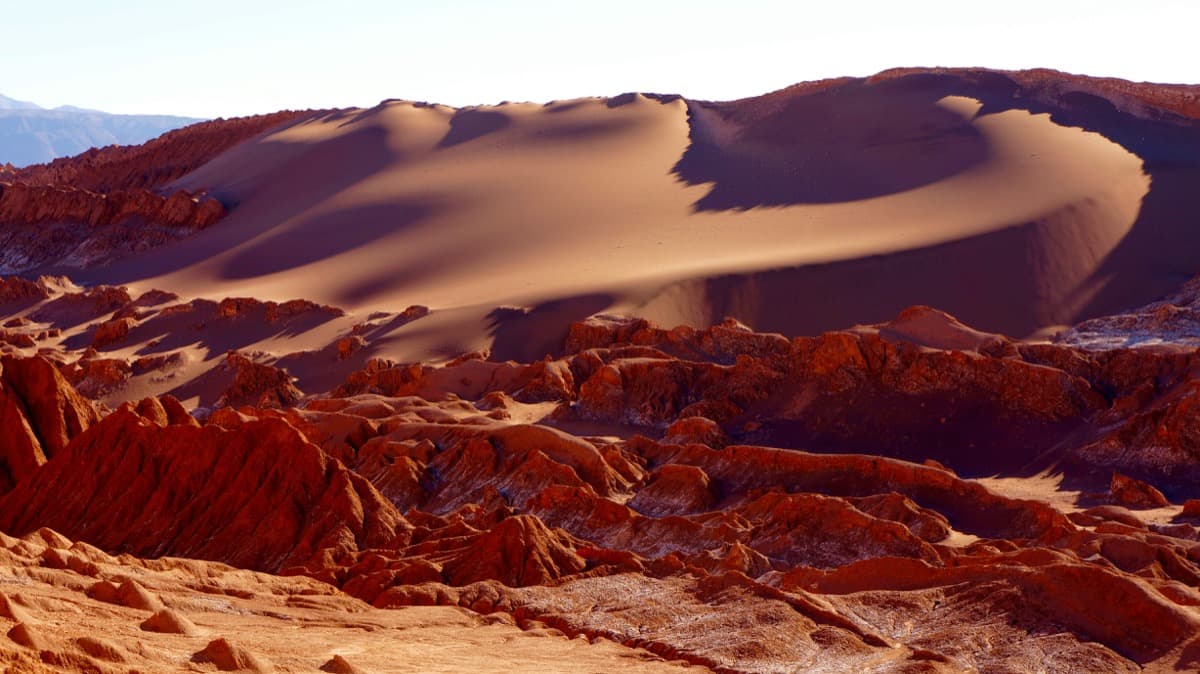
Photo by Bailey Hall on Unsplash
See Flamingos at Laguna Chaxa (Atacama Salt Flat)
Located inside the Los Flamencos National Reserve, Laguna Chaxa is one of the most beautiful spots in the Atacama Desert.
The lagoon sits within the vast Salar de Atacama, Chile’s largest salt flat. The landscape is stunning: white salt crusts stretching across the desert with the Andes volcanoes rising in the distance.
The lagoon is famous for its populations of Andean, Chilean, and James’s flamingos, which feed in the mineral-rich waters.
Walking trails allow visitors to explore the area while observing the wildlife and photographing the incredible scenery.
Sunset is one of the best times to visit, when the surrounding mountains glow pink and orange in the fading light.
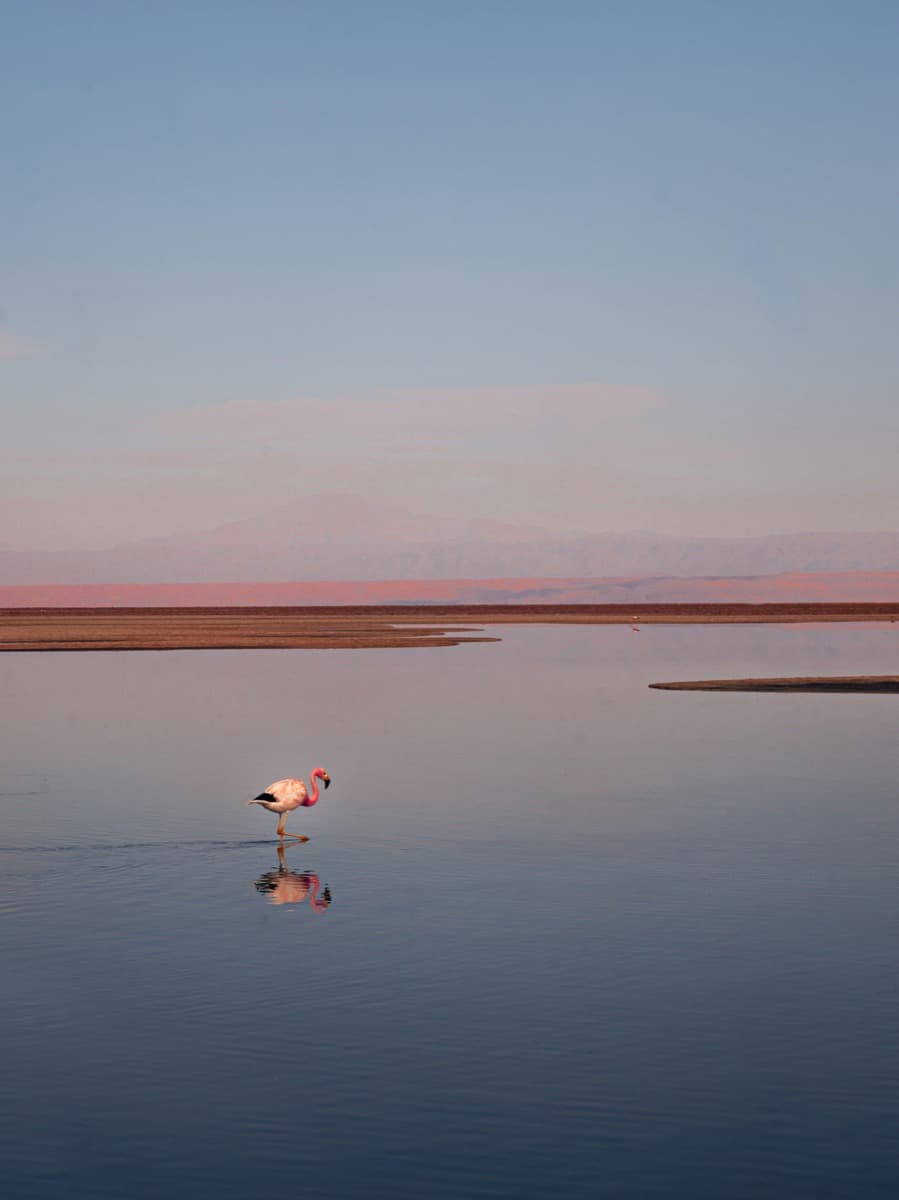
Photo by Vitor Vilas Boas on Unsplash
Visit the El Tatio Geysers
One of the most impressive natural attractions in the region is El Tatio, the largest geyser field in the Southern Hemisphere and the third largest geyser field in the world.
Located at about 4,300 meters (14,100 feet) above sea level, El Tatio contains more than 80 active geysers.
Tours usually depart from San Pedro very early in the morning (around 4:00 AM) because the geysers are most active at sunrise, when the cold desert air creates dramatic steam columns rising from the ground.
The landscape feels almost prehistoric, with boiling water pools, fumaroles, and clouds of steam drifting across the high-altitude plateau.
Some tours also stop at natural hot springs, where visitors can take a quick dip in the warm geothermal waters.
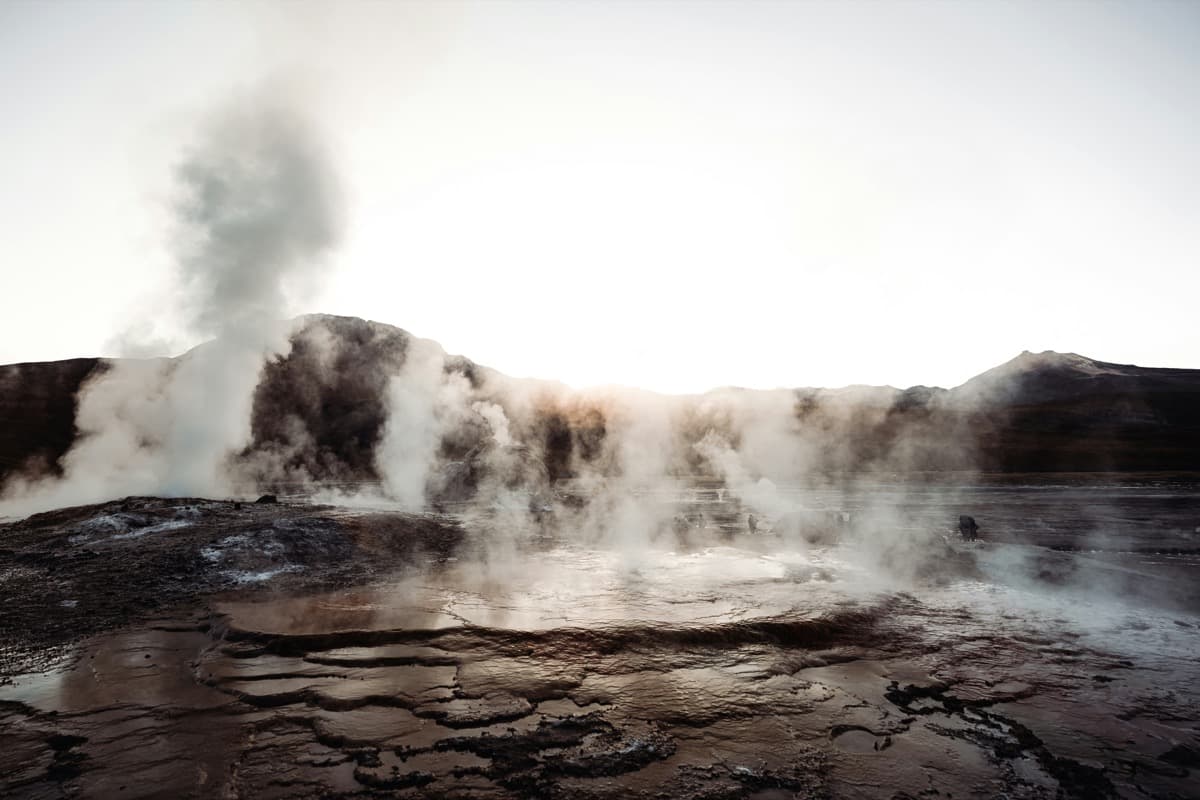
Photo by Mauro Lima on Unsplash
Swim in Laguna Cejar
Another unforgettable experience in the Atacama Desert is visiting Laguna Cejar, a beautiful turquoise lagoon located within the salt flats.
Because of the extremely high salt concentration in the water, it’s almost impossible to sink — similar to floating in the Dead Sea.
Visitors can swim in the lagoon and float effortlessly while enjoying views of the surrounding desert and volcanoes.
Nearby you’ll also find:
- Laguna Piedra
- Ojos del Salar freshwater pools
These lagoons are typically visited in the afternoon, often combined with a sunset stop in the salt flats.
Stargazing in the Atacama Desert
The Atacama Desert has some of the clearest skies on Earth, making it one of the best places in the world for astronomy and stargazing.
Because the region has:
- Very little light pollution
- Extremely dry air
- High altitude
Many of the world’s most powerful telescopes are located here, including the famous ALMA Observatory.
Stargazing tours from San Pedro de Atacama are incredibly popular. Guides use powerful telescopes to show visitors:
- Saturn’s rings
- Jupiter and its moons
- Star clusters
- Distant galaxies
The experience of seeing the Milky Way stretch across the desert sky is one of the most unforgettable moments of visiting the Atacama.
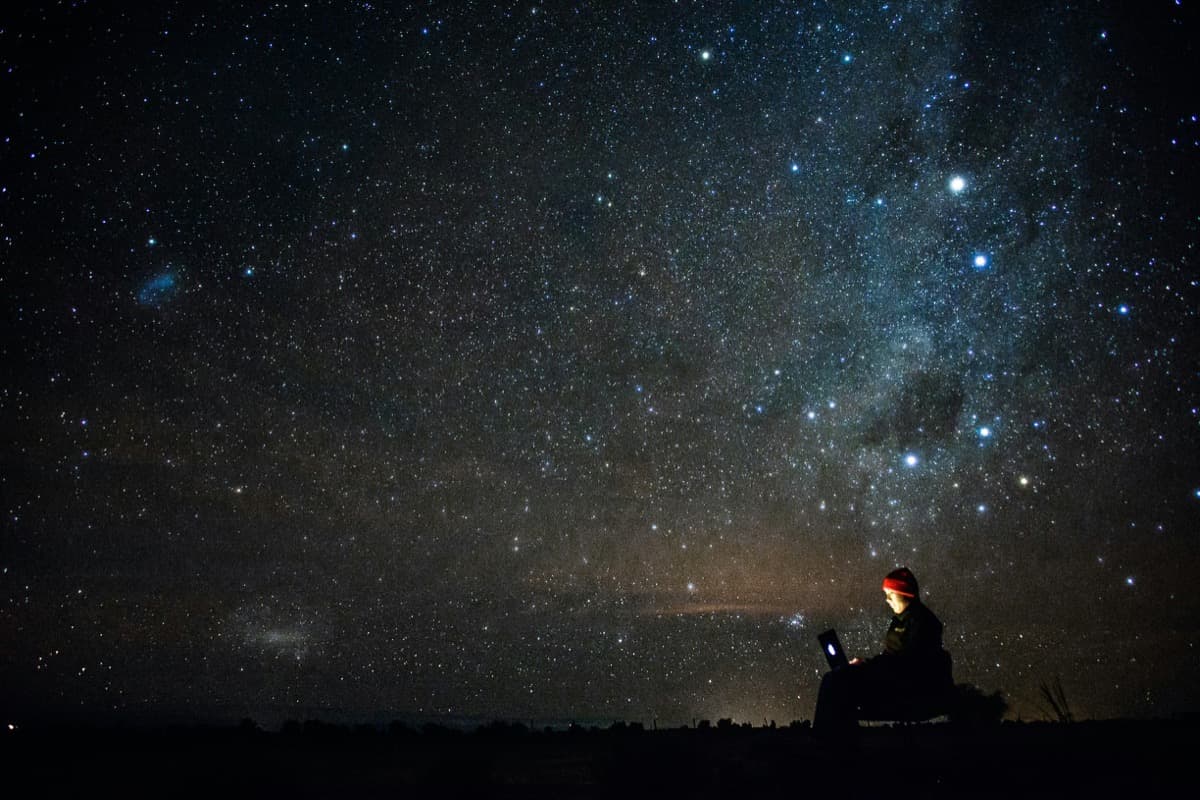
Photo by Johnson Wang on Unsplash
Visit Altiplanic Lagoons (Lagunas Altiplánicas)
High in the Andes Mountains you’ll find the stunning Altiplanic Lagoons, located at over 4,000 meters above sea level.
The two main lagoons are:
- Laguna Miscanti
- Laguna Miñiques
These deep blue lakes sit at the base of snow-covered volcanoes and are surrounded by vast Andean landscapes.
Wildlife commonly seen in this area includes:
- Flamingos
- Vicunas
- Andean foxes
The scenery here is some of the most dramatic in northern Chile.
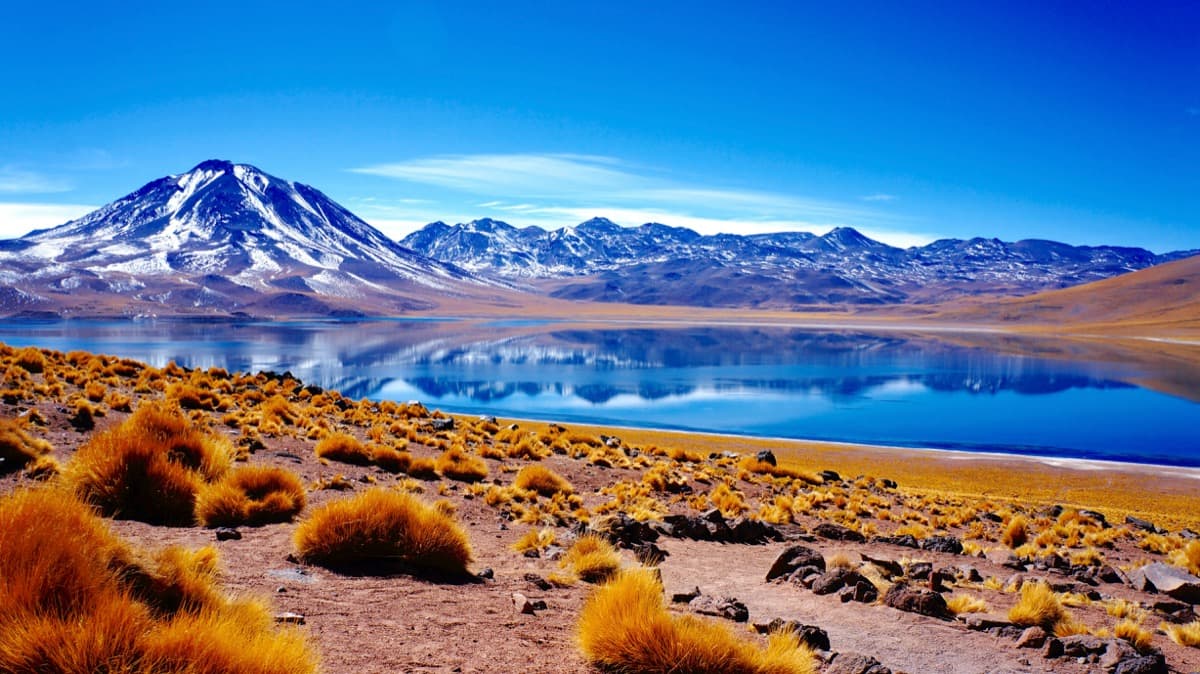
Photo by Bailey Hall on Unsplash
The Atacama Desert: One of the Most Unique Landscapes on Earth
With its lunar valleys, flamingo lagoons, geysers, volcanoes, and endless star-filled skies, the Atacama Desert is one of the most extraordinary places in the world.
For many travelers visiting Chile, exploring the Atacama becomes one of the most unforgettable parts of their journey.
Keep Reading
Explore more Chile destination guides and plan the next stop on your itinerary.
Destination Guide
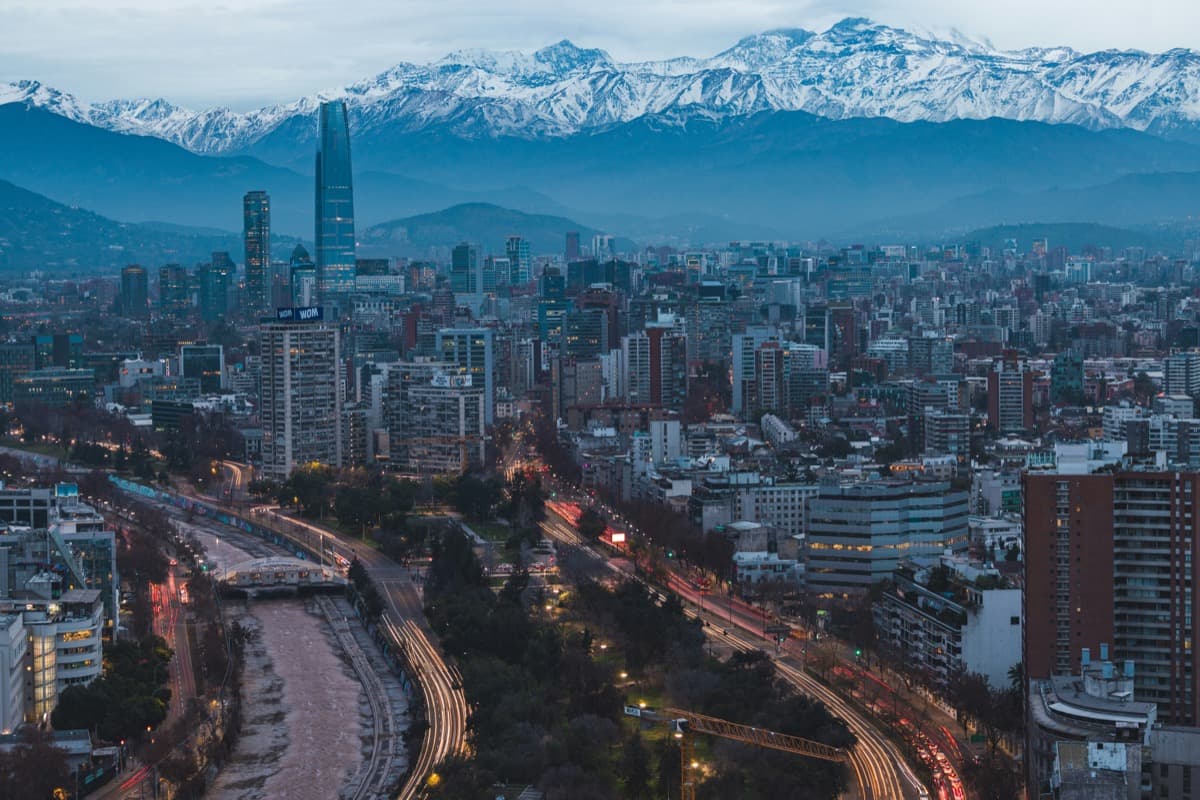
Santiago
Santiago blends world-class dining, rooftop views, and day trips to the Andes. Use it as your launchpad for wine country, coastal escapes, and urban culture.
Destination Guide
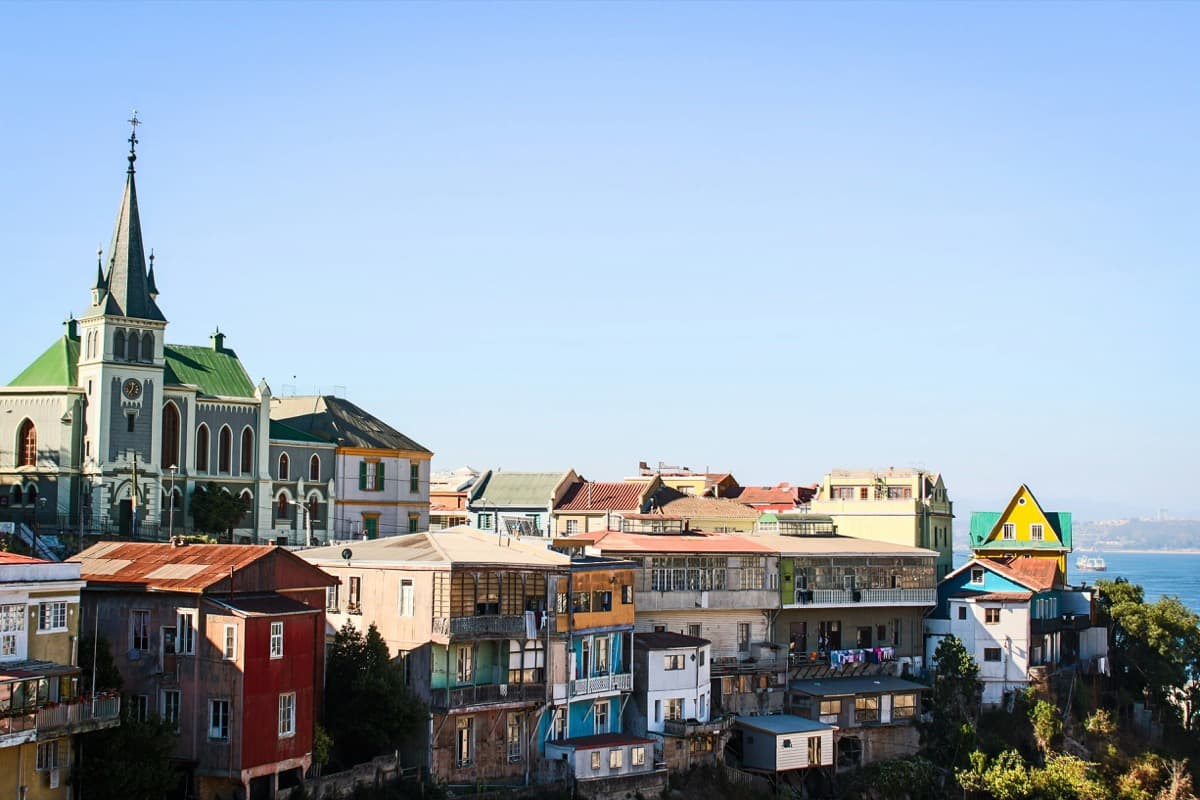
Valparaíso
Valparaíso is Chile's creative capital, known for its hillside elevators, bohemian cafes, and Pacific sunsets.
Destination Guide
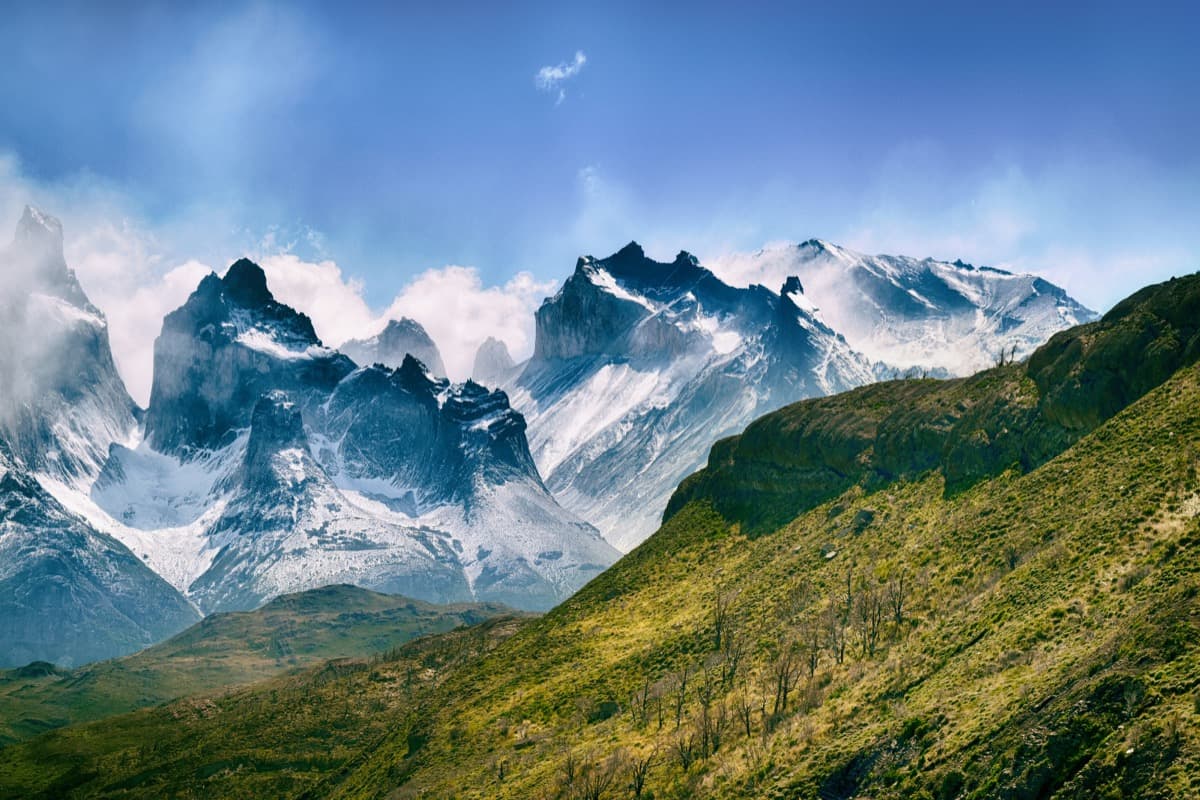
Patagonia
Patagonia is a dream for hikers and photographers. Torres del Paine, glacier cruises, and remote lodges make this a once-in-a-lifetime journey.
Destination Guide
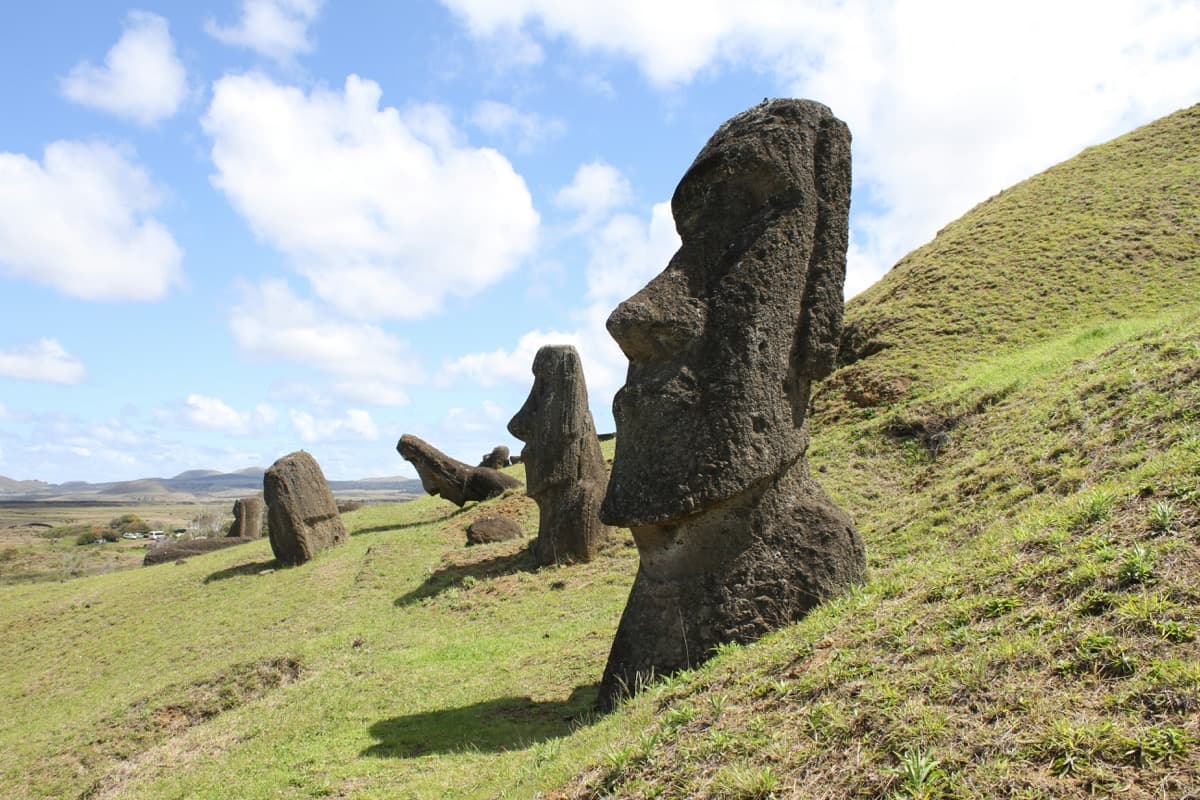
Easter Island
Easter Island feels like another world. Explore volcanic craters, hidden beaches, and ancient ceremonial sites with local guides.