
Destination Guide
Easter Island
Mystic Moai statues, volcanic landscapes, and Polynesian culture.
Easter Island feels like another world. Explore volcanic craters, hidden beaches, and ancient ceremonial sites with local guides.
Located over 3,500 kilometers (2,200 miles) off the coast of mainland Chile, Easter Island — known locally as Rapa Nui — is one of the most remote inhabited islands in the world. A 5-hour flight from Santiago transports you to a mysterious Polynesian culture famous for its massive moai statues scattered across dramatic volcanic landscapes. The island blends archaeological wonders, rugged coastline, and crystal-clear waters ideal for snorkeling and diving. With limited daily flights and a fragile ecosystem, Easter Island feels exclusive and deeply spiritual. Plan to spend 3–4 days exploring its archaeological sites, hiking volcanic craters, and learning about the fascinating history of the Rapa Nui people.
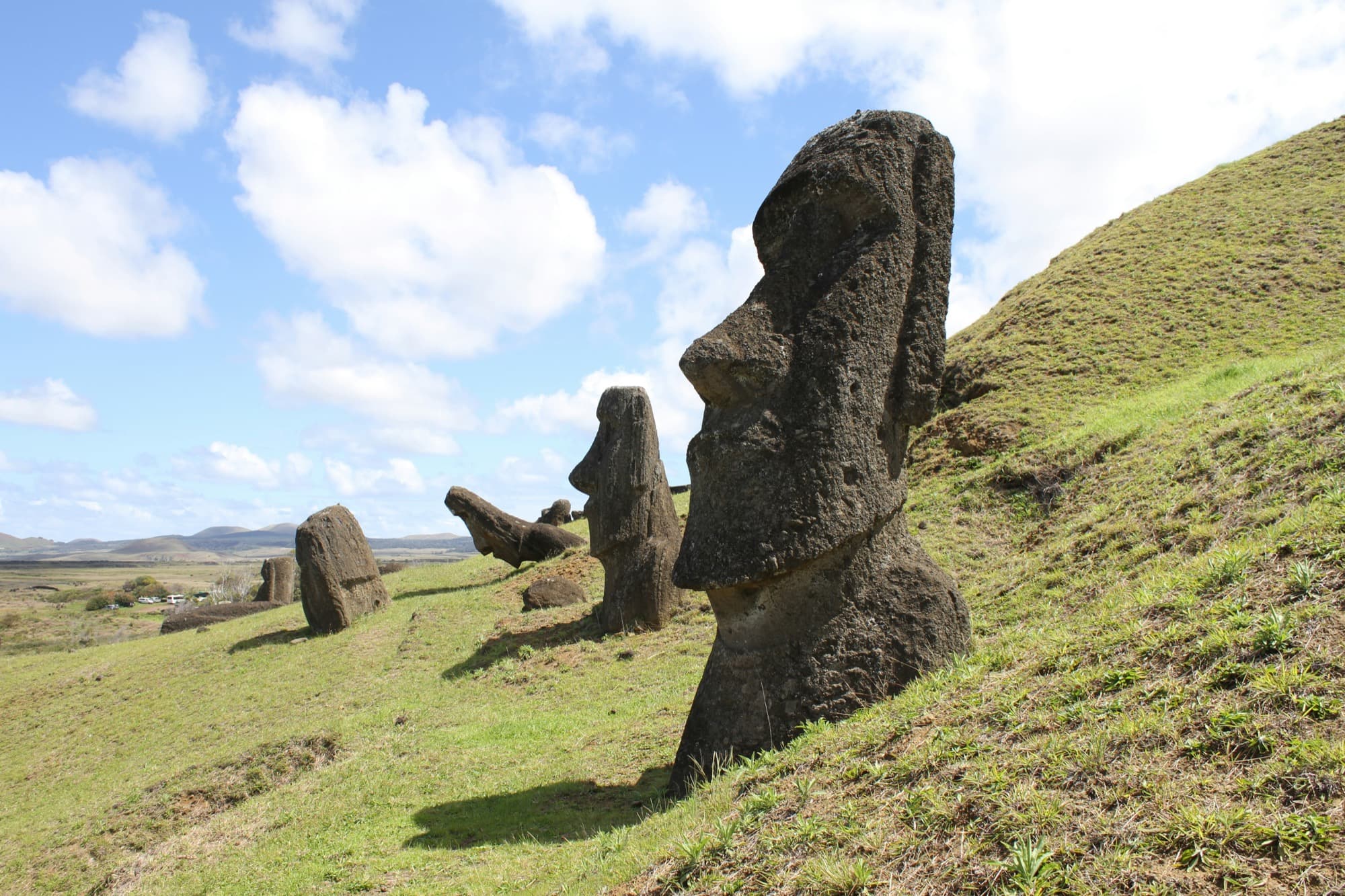
Photo by Thomas Griggs on Unsplash
This article may contain affiliate links.
THINGS TO DO IN EASTER ISLAND (RAPA NUI)
Visitors searching for things to do in Easter Island Chile will discover one of the most mysterious and fascinating places on Earth. Known for its giant stone statues called Moai, Easter Island (Rapa Nui) is one of the most remote inhabited islands in the world. Located in the middle of the Pacific Ocean, more than 3,500 kilometers from mainland Chile, the island combines ancient Polynesian culture, dramatic volcanic landscapes, and breathtaking ocean views. This Easter Island travel guide highlights the most important archaeological sites, cultural experiences, and natural attractions to help you plan an unforgettable visit to one of the world’s most unique destinations.
Getting to Easter Island
The only way to reach Easter Island is by flying from Santiago, Chile.
LATAM Airlines operates regular flights from Santiago International Airport to Mataveri Airport (IPC) on Easter Island.
Flight time: about 5 to 6 hours
Because the island is extremely remote, flights are limited and can sometimes be expensive, especially during high season. For most travelers, Easter Island becomes one of the most unique and memorable parts of their trip to Chile.
After arriving at the airport, most hotels provide transportation to the town of Hanga Roa, the island’s only main settlement and the place where almost all accommodations, restaurants, and tour agencies are located.
Best Time to Visit Easter Island
Easter Island has a mild subtropical climate, which means it can be visited throughout the year.
December – March (Summer) — Warm weather and ideal beach conditions.
April – June / September – November — Fewer tourists and pleasant temperatures.
One of the most interesting times to visit is during the Tapati Rapa Nui Festival, usually held in February. This cultural festival celebrates traditional Polynesian heritage with dance, music, sports competitions, and ceremonies.
Discover the Moai Statues
The Moai statues are the most famous attraction on Easter Island and one of the greatest archaeological mysteries in the world.
These massive stone statues were carved by the Rapa Nui people between approximately 1200 and 1500 AD.
Archaeologists believe the statues were built to represent important ancestors and tribal leaders, who were believed to watch over the communities that built them.
There are nearly 900 Moai statues scattered across the island, ranging from smaller figures to massive sculptures weighing over 80 tons.
The statues were carved from volcanic rock at the Rano Raraku quarry, then transported across the island and placed on ceremonial stone platforms called ahu.
Even today, historians continue to study how the ancient Rapa Nui civilization was able to transport these enormous statues without modern machinery.
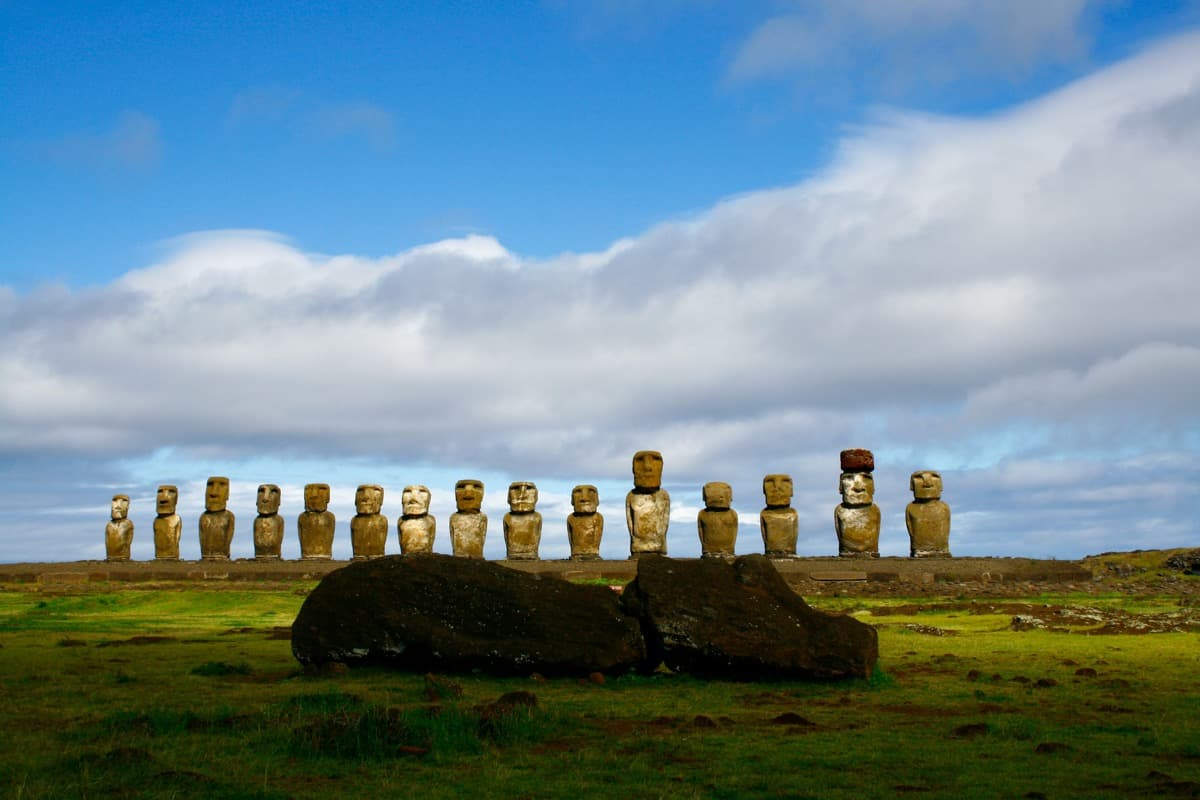
Photo by Sophie Laurent on Unsplash
Visit Rano Raraku – The Moai Quarry
One of the most fascinating places on Easter Island is Rano Raraku, the volcanic quarry where most of the Moai statues were carved.
This site looks almost surreal: hundreds of statues are scattered across the hillside, some partially buried in the ground and others still attached to the rock where they were carved.
Many of the statues appear as if they are emerging from the earth, creating one of the most iconic landscapes on the island.
Rano Raraku is considered the birthplace of the Moai, and visiting this site helps travelers understand how the statues were created before being transported to ceremonial sites around the island.
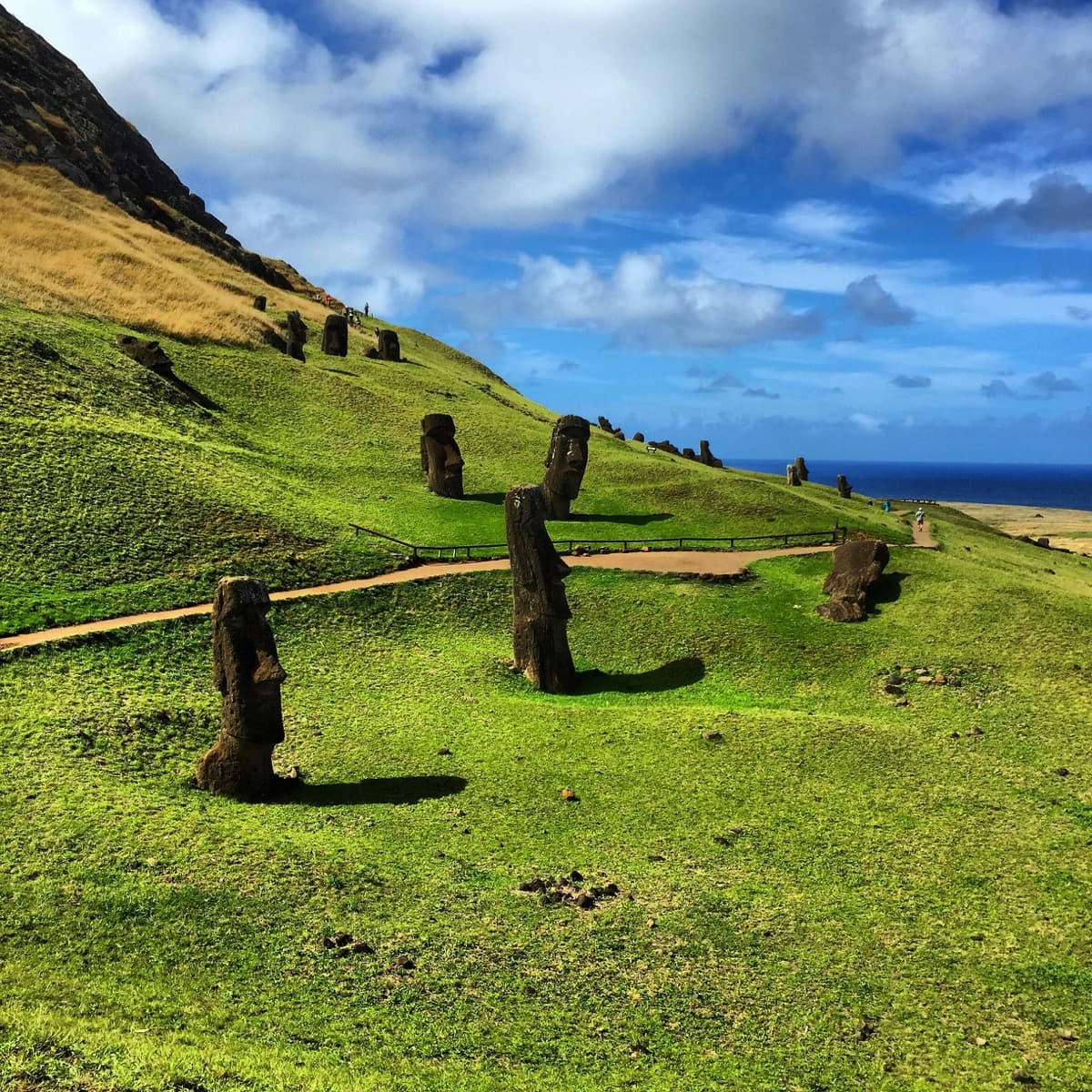
Photo by Timmi on Unsplash
See the Famous Ahu Tongariki
The most impressive and famous Moai site on Easter Island is Ahu Tongariki.
This ceremonial platform features 15 massive Moai statues standing in a row, facing inland as they watch over the island.
Originally constructed centuries ago, the site was destroyed by a tsunami in 1960 and later restored in the 1990s.
Today it is considered the most photographed location on Easter Island.
Sunrise at Ahu Tongariki is especially spectacular, when the first light of the day rises behind the statues and illuminates the entire platform.
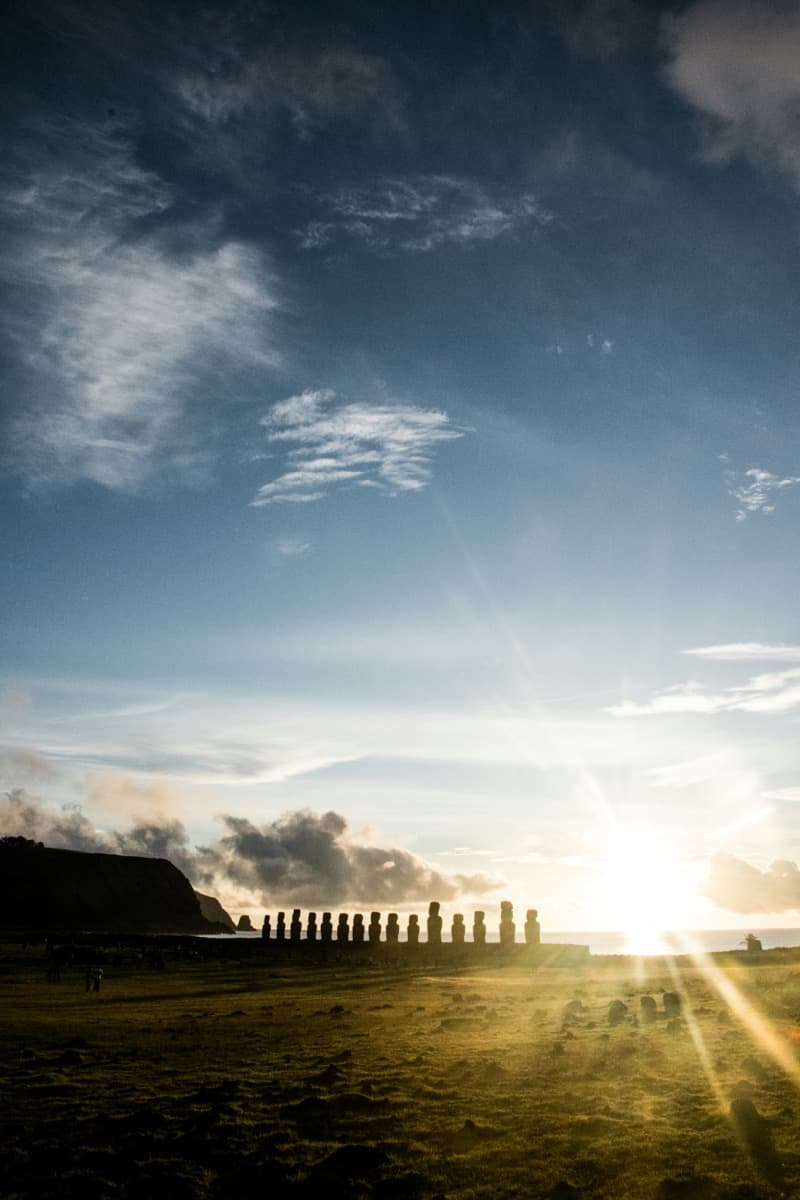
Photo by Sam Power on Unsplash
Visit Anakena Beach
While Easter Island is famous for its archaeological sites, it also has beautiful beaches.
The most famous beach on the island is Anakena Beach, a stunning white sand beach surrounded by palm trees and turquoise water.
Anakena is historically important because it is believed to be the place where the first Polynesian settlers arrived on the island more than a thousand years ago.
The beach is also home to Ahu Nau Nau, a ceremonial platform with several well-preserved Moai statues that still stand facing inland.
Because of its calm waters and scenic surroundings, Anakena is one of the best places on the island to relax after a day of exploring archaeological sites.
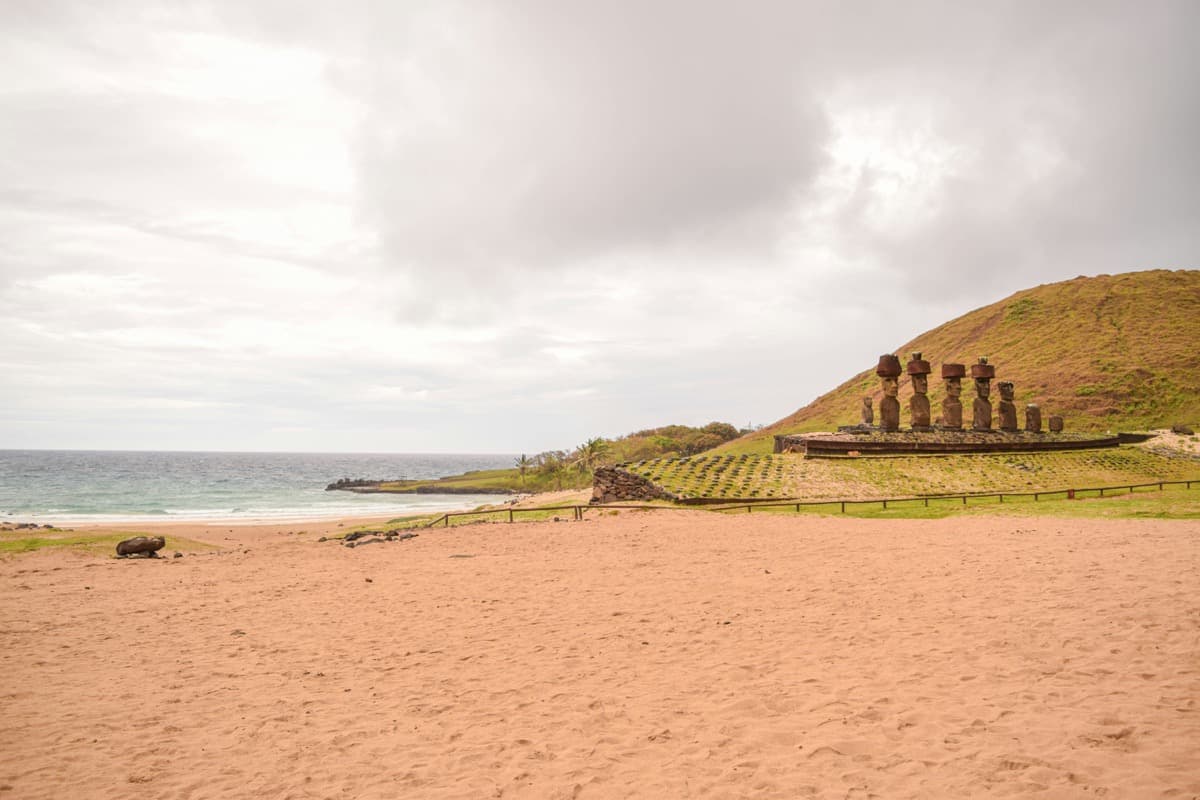
Photo by Emmanuel Hernandez on Unsplash
Explore Rano Kau and Orongo Village
Another incredible location on Easter Island is Rano Kau, one of the island’s three main volcanic craters.
The crater contains a large freshwater lake filled with floating vegetation and offers some of the most dramatic views on the island.
Near the crater you’ll find Orongo, an ancient ceremonial village built on the cliffs overlooking the Pacific Ocean.
Orongo was the center of the famous Birdman competition, a ritual that replaced the Moai religion after the decline of the statue-building culture.
Participants competed to retrieve the first egg of a migratory bird from nearby islets, and the winner’s leader would gain political power for the year.
Today the village remains an important archaeological site where visitors can see ancient stone houses and petroglyph carvings.
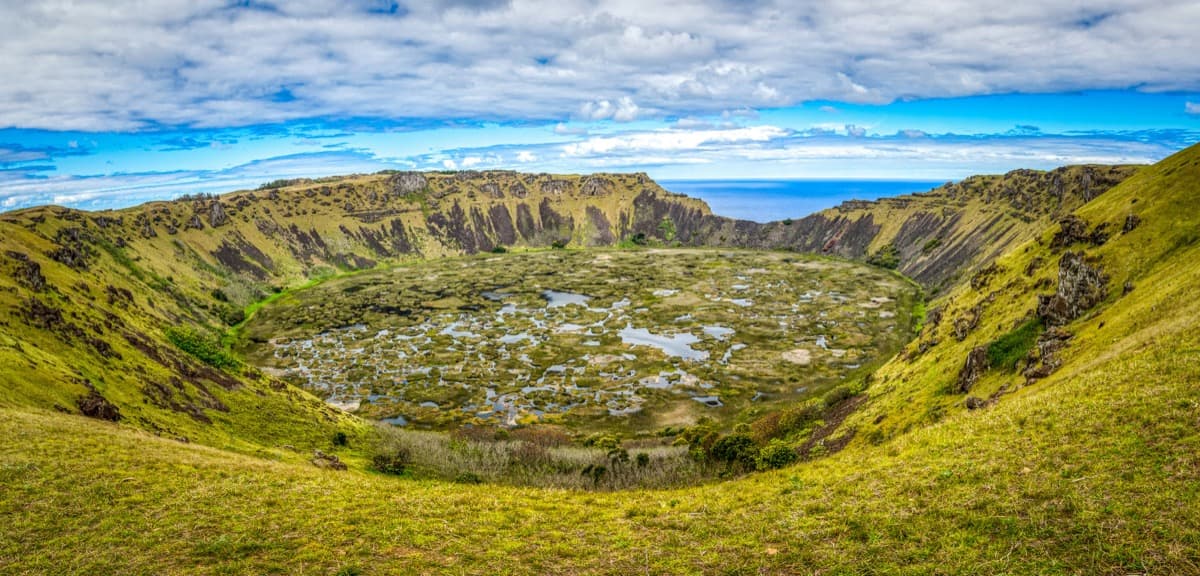
Photo by Franz Nawrath on Unsplash
Watch the Sunset at Tahai
One of the most popular places to watch the sunset on Easter Island is the Tahai Archaeological Complex, located just outside Hanga Roa.
The site includes several restored Moai platforms and offers beautiful views of the ocean.
At sunset, the sky often turns shades of orange, pink, and purple behind the statues, creating one of the most magical scenes on the island.
Many visitors gather here in the evening to relax, take photos, and enjoy the peaceful atmosphere.
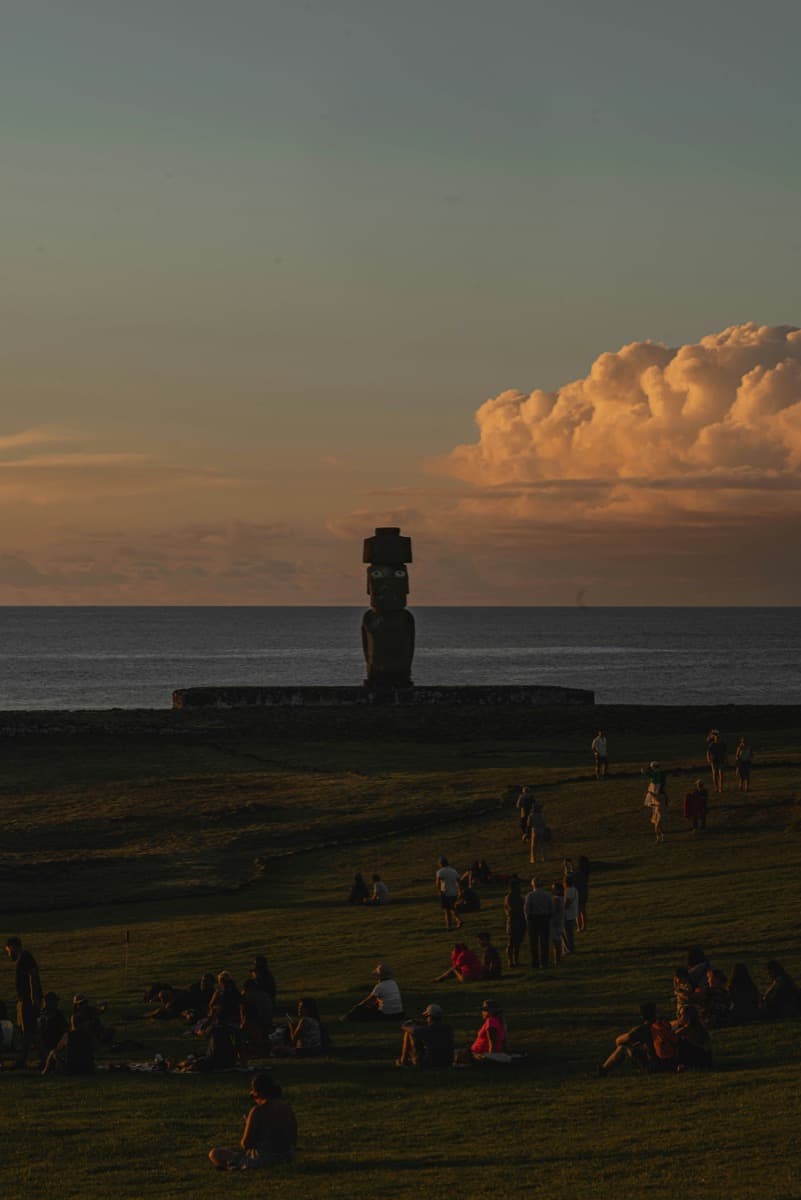
Photo by Alan Veas on Unsplash
Experience Rapa Nui Culture
Although the Moai statues are the island’s most famous attraction, Easter Island is also rich in Polynesian culture and traditions.
Visitors can learn about Rapa Nui culture through:
- Traditional dance performances
- Cultural museums
- Local handicraft markets
- Polynesian-inspired cuisine
The Sebastián Englert Anthropological Museum is one of the best places to learn about the island’s history, the origins of the Moai statues, and the development of Rapa Nui culture.
The island’s culture is a unique blend of Polynesian heritage and Chilean influence, making it one of the most culturally distinctive places in South America.
Exploring the Island
Most visitors explore Easter Island by:
- Renting a car or ATV
- Joining guided tours
- Hiring local guides
Because the island is relatively small (about 163 square kilometers), most of the main archaeological sites can be visited within two or three days.
However, many travelers choose to stay longer to enjoy the island’s landscapes, culture, and slower pace of life.
Easter Island: One of the Most Remote and Fascinating Places on Earth
With its mysterious Moai statues, ancient Polynesian culture, volcanic landscapes, and dramatic ocean views, Easter Island is one of the most unique travel destinations in the world.
For many travelers visiting Chile, exploring Rapa Nui becomes a once-in-a-lifetime experience that combines archaeology, nature, and culture in a place unlike anywhere else on Earth.
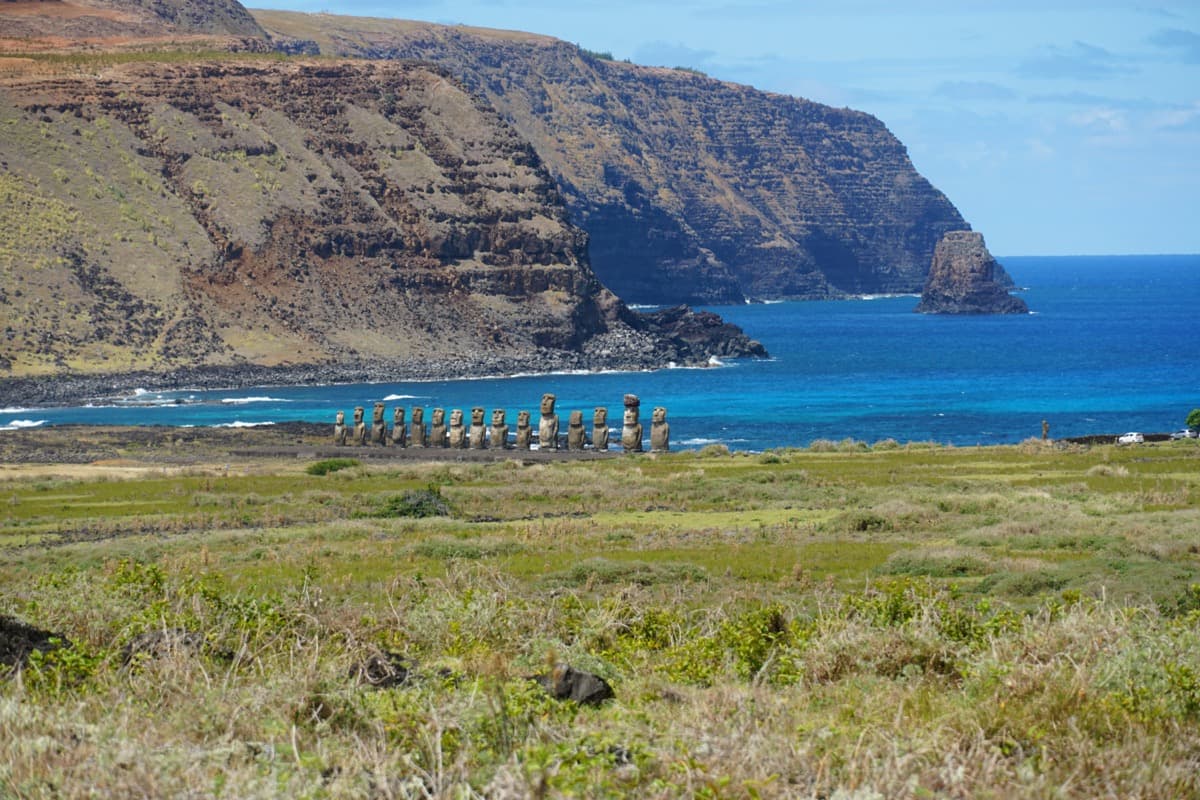
Photo by Sheila C on Unsplash
Keep Reading
Explore more Chile destination guides and plan the next stop on your itinerary.
Destination Guide
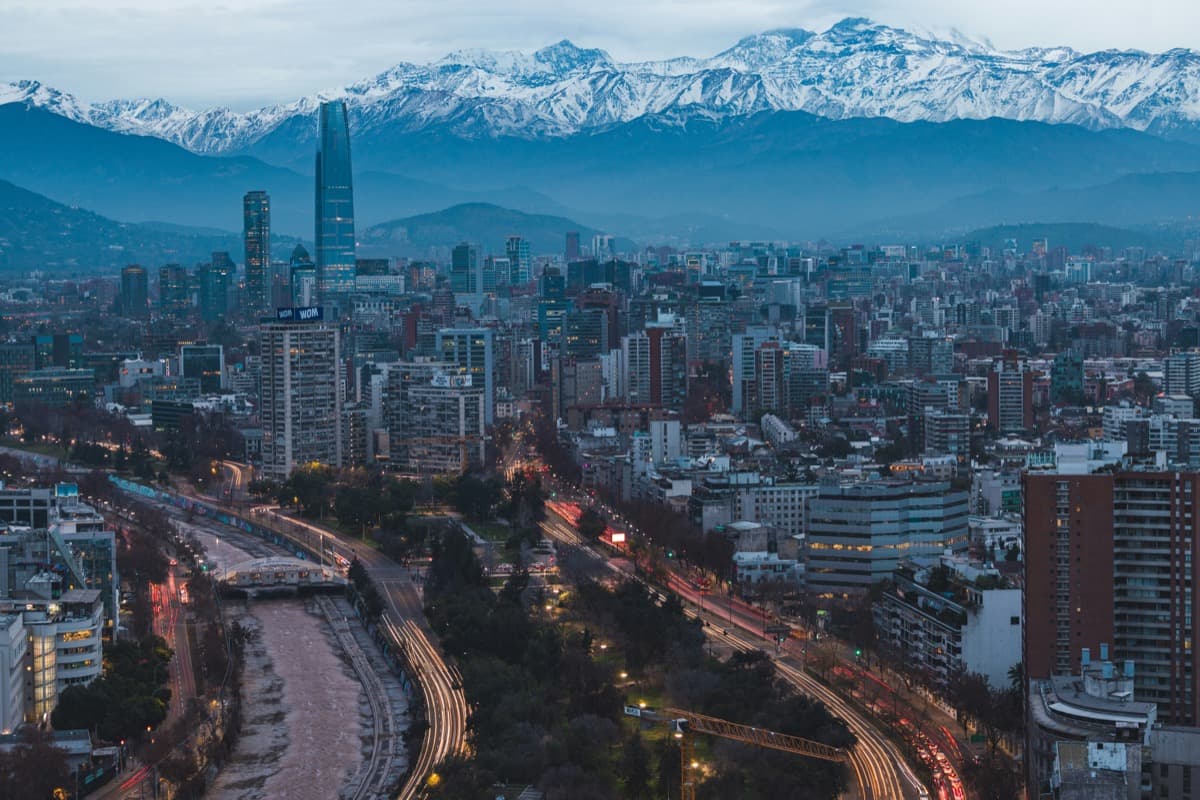
Santiago
Santiago blends world-class dining, rooftop views, and day trips to the Andes. Use it as your launchpad for wine country, coastal escapes, and urban culture.
Destination Guide
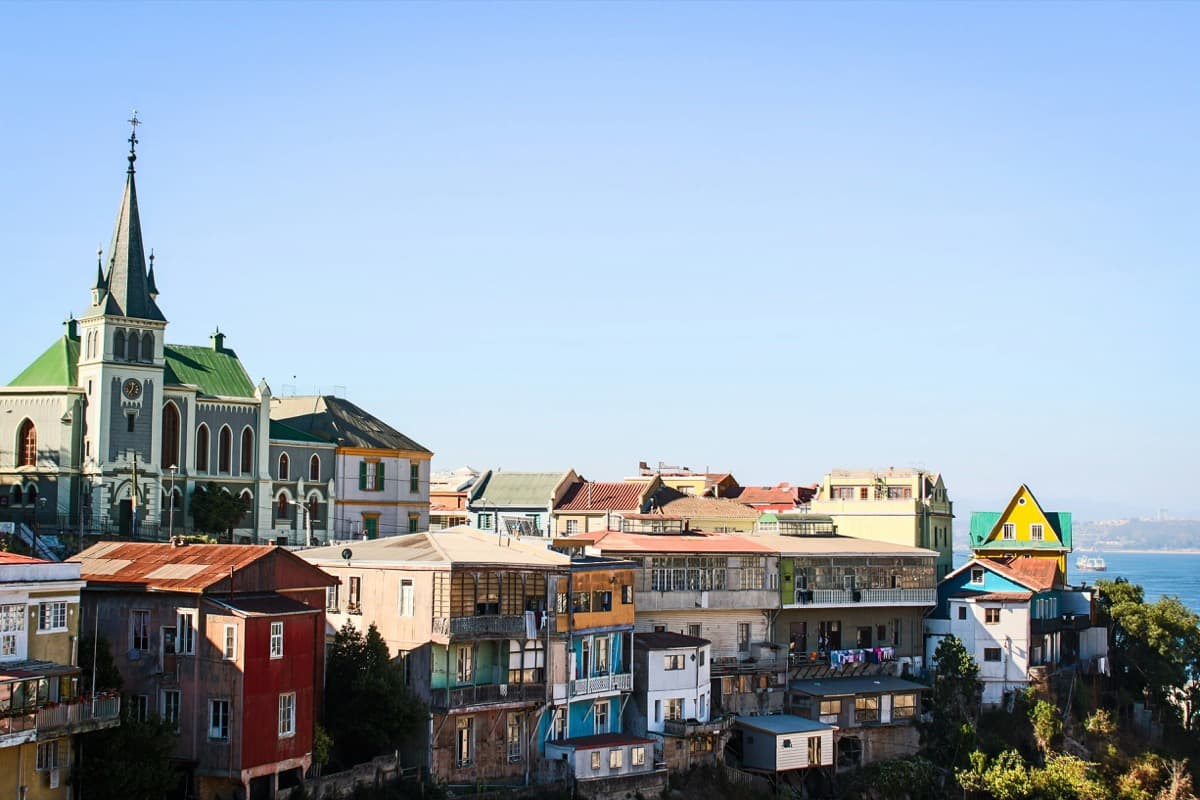
Valparaíso
Valparaíso is Chile's creative capital, known for its hillside elevators, bohemian cafes, and Pacific sunsets.
Destination Guide
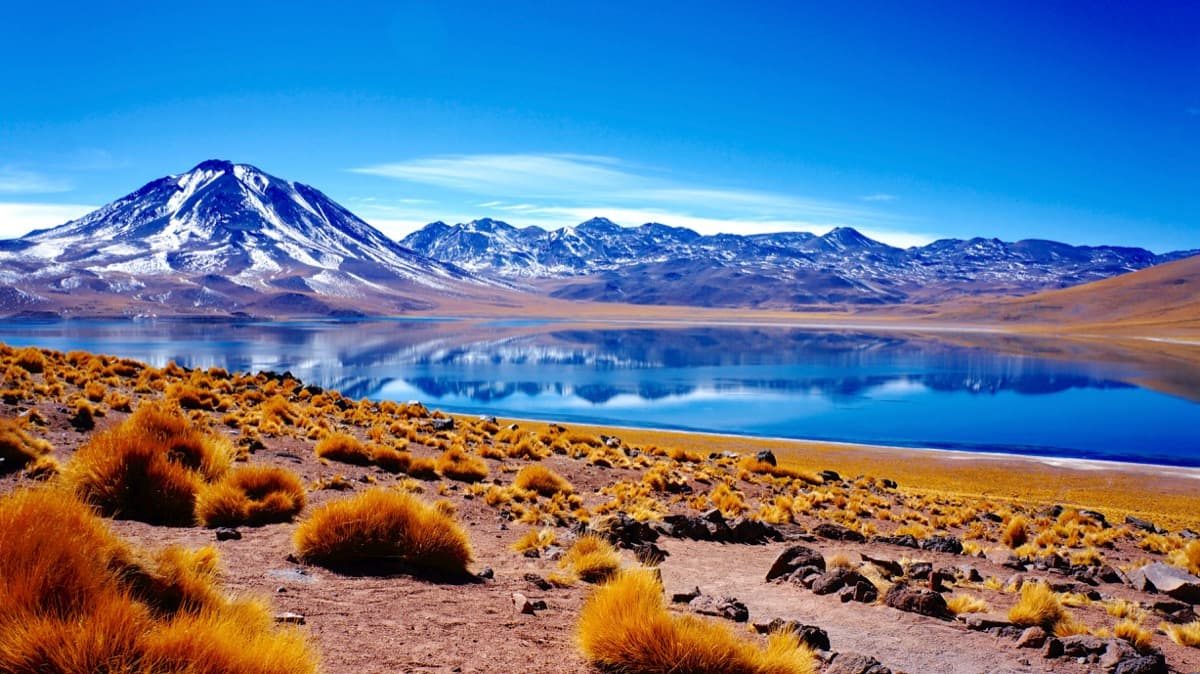
Atacama Desert
The Atacama delivers lunar landscapes, flamingo lagoons, and world-class stargazing. Base yourself in San Pedro de Atacama for easy access to tours.
Destination Guide
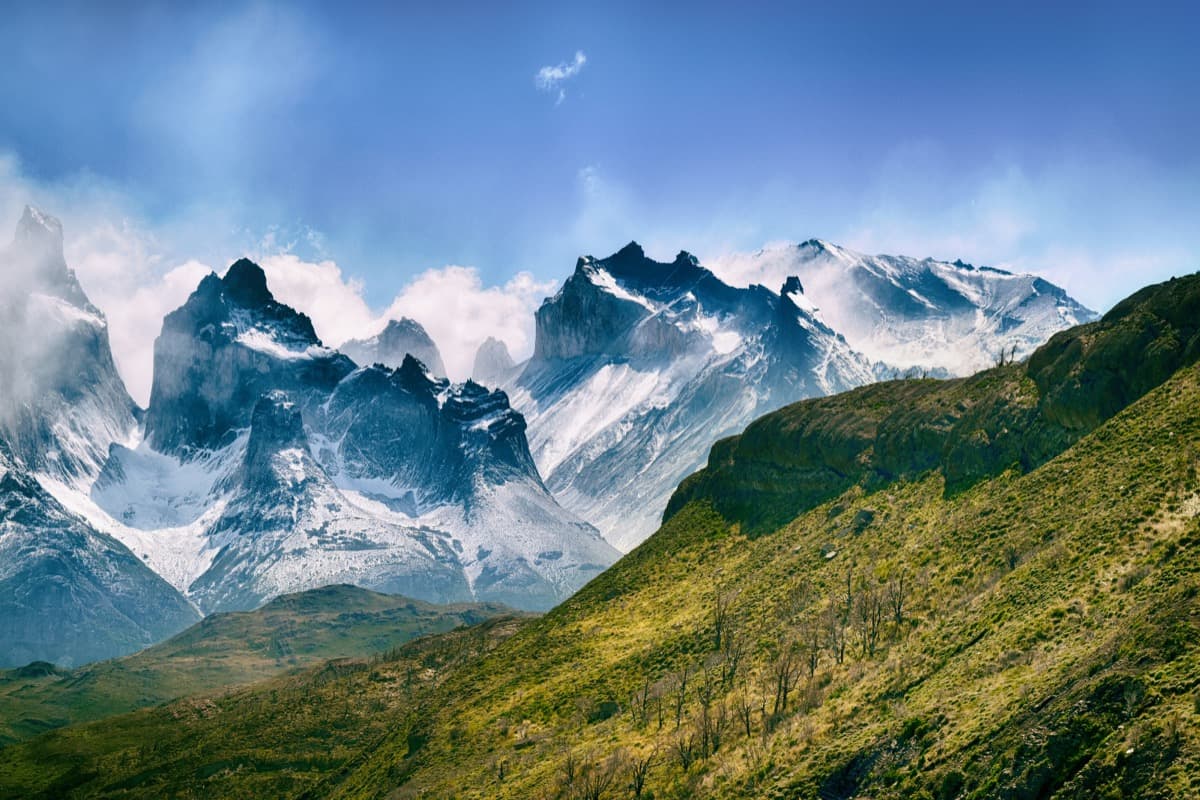
Patagonia
Patagonia is a dream for hikers and photographers. Torres del Paine, glacier cruises, and remote lodges make this a once-in-a-lifetime journey.