
Destination Guide
Santiago
Chile's cosmopolitan capital framed by the Andes.
Santiago blends world-class dining, rooftop views, and day trips to the Andes. Use it as your launchpad for wine country, coastal escapes, and urban culture.
Santiago, the capital of Chile, will most likely be your first stop when arriving in the country. Nestled between the snow-capped Andes Mountains and the coastal range, this modern yet historic city blends European-style architecture with vibrant Latin American energy. Founded in 1541 by Spanish conquistador Pedro de Valdivia, Santiago’s historic center is home to Plaza de Armas, the city’s original square and heart of colonial Chile. Spend your first day walking through the downtown area, visiting La Moneda Palace, exploring local markets, and taking the cable car up Cerro San Cristóbal for panoramic views of the city. While many travelers treat Santiago as a short stopover, it’s worth dedicating at least two to three days to experience its neighborhoods, wine culture, and nearby day trips to the Andes or Pacific coast.
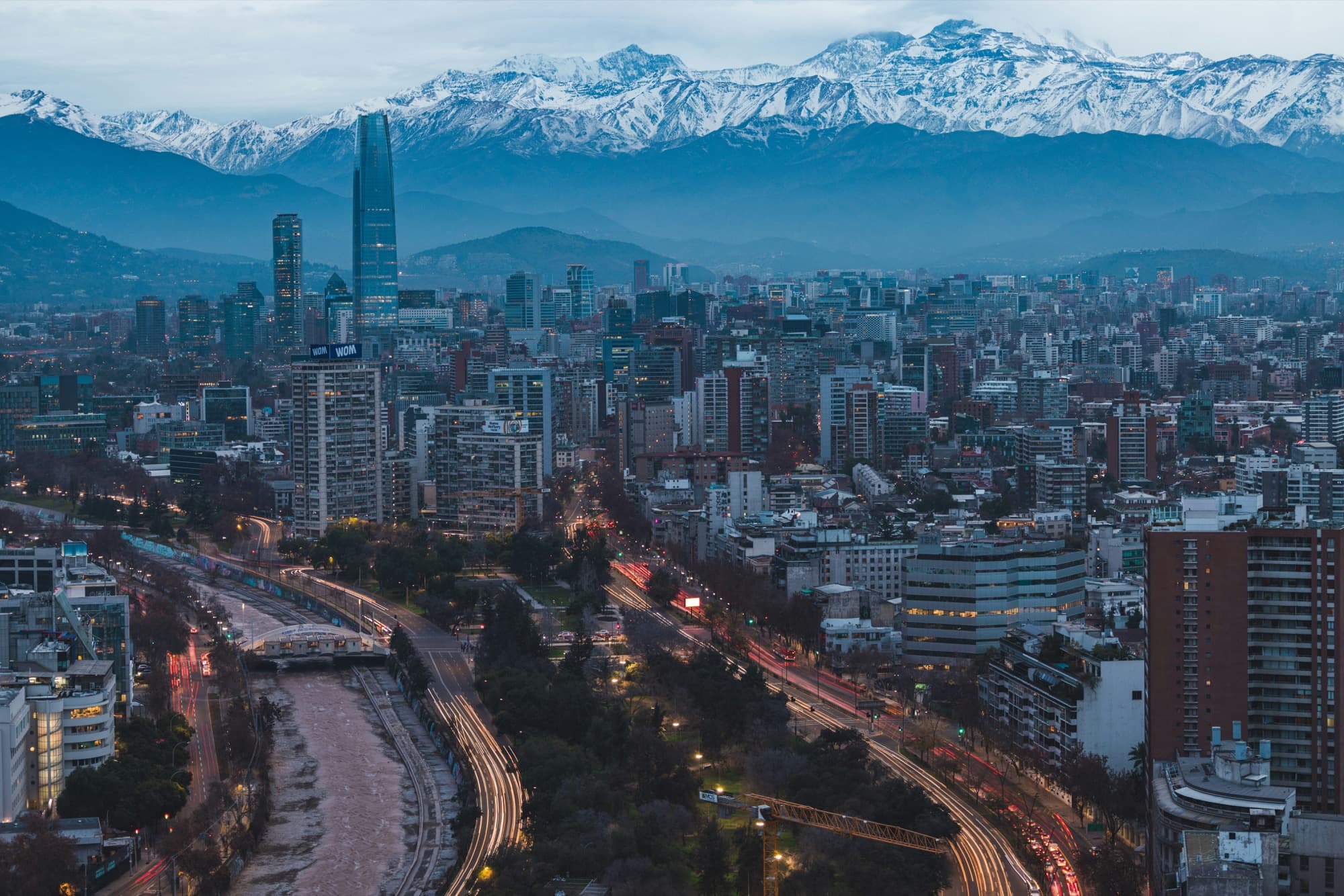
Photo by Chalo Gallardo on Unsplash
This article may contain affiliate links.
THINGS TO DO IN SANTIAGO, CHILE
Visitors searching for things to do in Santiago Chile will find a city full of culture, scenic viewpoints, historic neighborhoods, and unforgettable experiences. Top attractions include Sky Costanera, Cerro Santa Lucía, Cerro San Cristóbal, Mercado Central, and Barrio Lastarria, along with nearby wine tours in the Maipo Valley and day trips to Valparaíso and the Andes Mountains. This Santiago travel guide highlights the best places to visit, local food to try, and must-see landmarks to help you plan the perfect stay in Chile’s largest city.
Explore Plaza de Armas and the Historic Center
The best place to begin discovering Santiago is Plaza de Armas, the historic square where the city was founded in 1541 by Spanish conquistador Pedro de Valdivia.
Today the plaza is one of the liveliest places in the city, filled with street musicians, artists, photographers, and locals playing chess.
Important landmarks around the square include:
- Metropolitan Cathedral of Santiago — One of the most beautiful churches in Chile, known for its impressive neoclassical architecture and ornate interior.
- National History Museum — Located in the former Royal Palace building, this museum tells the story of Chile from the pre-Columbian era to modern times. The terrace on the top floor offers a nice view over Plaza de Armas.
- Central Post Office — A historic building from the 19th century that stands on the site of the original Spanish governor’s residence.
Just a short walk away you’ll also find one of the city’s best museums.
- Museum of Pre-Columbian Art — This museum showcases fascinating artifacts and artwork from ancient civilizations across Latin America.
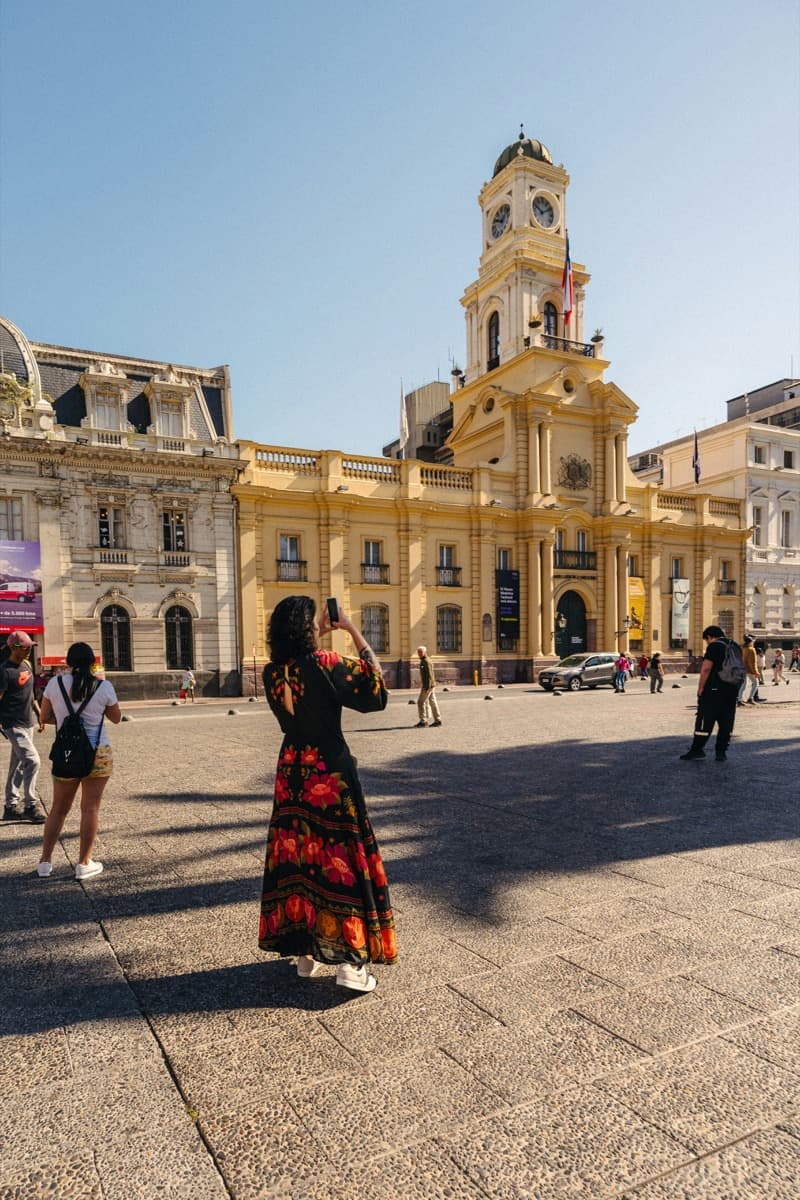
Photo by Mauro Lima on Unsplash
Visit La Moneda Palace
A short walk south of Plaza de Armas brings you to La Moneda Palace (Palacio de La Moneda), one of the most important historical and political landmarks in Chile.
The building was designed by the Italian architect Joaquín Toesca and completed in 1805 during the Spanish colonial period. Originally, it served as the Royal Mint, where Chile’s coins were produced — which is why the building is called “La Moneda,” meaning The Mint.
In 1845, President Manuel Bulnes officially converted the building into the presidential palace, and since then it has served as the seat of the Chilean government and the official office of the President of Chile. Over the past two centuries, more than 30 Chilean presidents have governed from La Moneda.
La Moneda also played a central role in one of the most dramatic events in Chilean history. On September 11, 1973, during the military coup that overthrew President Salvador Allende, the palace was bombed by the Chilean Air Force. Images of fighter jets attacking the building became some of the most iconic photographs of the Cold War era in Latin America. The palace was heavily damaged but later restored and remains a powerful symbol of Chile’s democratic history.
Today, visitors can walk through the large public square in front of the palace, Plaza de la Constitución, which is surrounded by statues of former Chilean presidents and government buildings. It’s one of the best places in downtown Santiago to take photos of the presidential palace.
Changing of the Guard Ceremony
One of the most interesting moments to witness at La Moneda is the Changing of the Guard ceremony, performed by the Carabineros de Chile, the national police force.
The ceremony takes place every two days at 10:00 AM and lasts about 30 minutes. It includes a formal marching band, mounted guards on horseback, and a ceremonial exchange of the palace guards.
Schedules can occasionally vary depending on national events, but it is generally held:
- Every odd-numbered day of the month (1, 3, 5, etc.) from May to October
- Every even-numbered day of the month (2, 4, 6, etc.) from November to April
Arriving 15–20 minutes early is a good idea if you want a good spot to watch the ceremony.
Cultural Center La Moneda
Underneath the palace you’ll find the Centro Cultural La Moneda, a modern cultural center and museum that opened in 2006. The entrance is located in Plaza de la Ciudadanía, just behind the palace.
The museum hosts rotating exhibitions of art, photography, film, and Chilean history, and it also includes cinemas, galleries, and design shops. It’s considered one of the most important cultural spaces in Santiago.
If you’re interested in Chilean culture or contemporary art, it’s definitely worth visiting while exploring downtown Santiago.
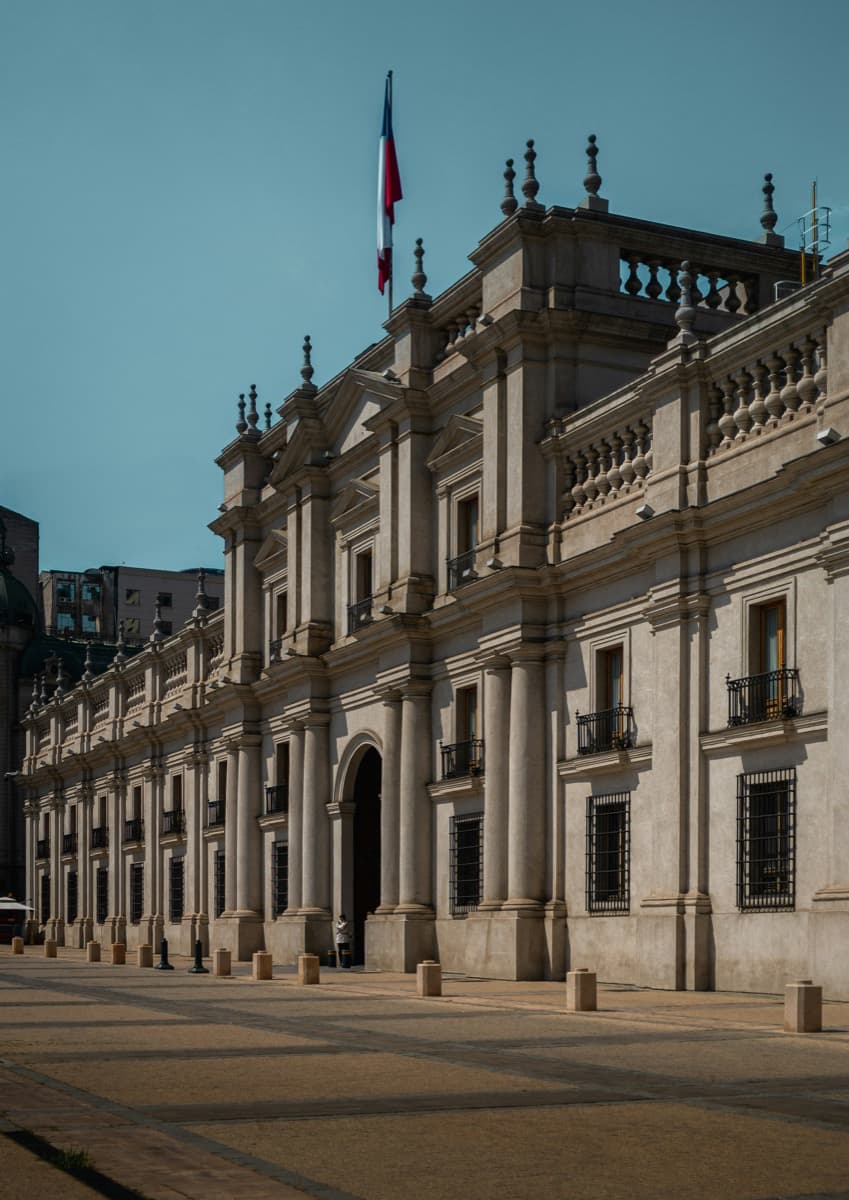
Photo by Vitor Vilas Boas on Unsplash
Climb Cerro Santa Lucía
Right in the middle of downtown Santiago rises Cerro Santa Lucía, a small but historically significant hill filled with gardens, fountains, staircases, terraces, and scenic viewpoints.
This hill played a crucial role in the founding of Santiago. When Spanish conquistador Pedro de Valdivia arrived in the valley in 1541, he chose this location to establish the new city because the hill offered a natural defensive position and a clear view of the surrounding valley. At the time, the hill was known by its Indigenous Mapuche name Huelén, which roughly translates to melancholy or sadness. Valdivia renamed it Santa Lucía after the Catholic saint whose day was celebrated when the Spanish arrived.
Over the centuries the hill served several purposes. During the colonial period it was used as a military lookout and defensive fortification, protecting the early city from potential attacks. Cannons were once installed on the hill, and parts of the old fortifications can still be seen today.
In the late 19th century, the hill was transformed into a beautiful urban park as part of a major modernization project led by Benjamín Vicuña Mackenna, who was the mayor of Santiago at the time. He redesigned the hill with ornamental terraces, European-style gardens, fountains, and winding staircases, turning it into one of the city’s most elegant public spaces.
One of the most famous features is the Castillo Hidalgo, a small castle-like structure near the top of the hill that was originally built as a defensive fort but later restored as a cultural venue.
Today, Cerro Santa Lucía is one of the most pleasant places to take a break while exploring downtown Santiago. The walk to the top takes about 10–15 minutes, and along the way you’ll pass palm trees, gardens, and beautiful viewpoints overlooking the city.
At the summit you’ll be rewarded with panoramic views of downtown Santiago, and on clear days you can see the snow-covered Andes Mountains rising dramatically behind the city skyline.
Because of its location just a few blocks from Plaza de Armas, Cerro Santa Lucía is an easy and worthwhile stop during any walking tour of Santiago’s historic center.
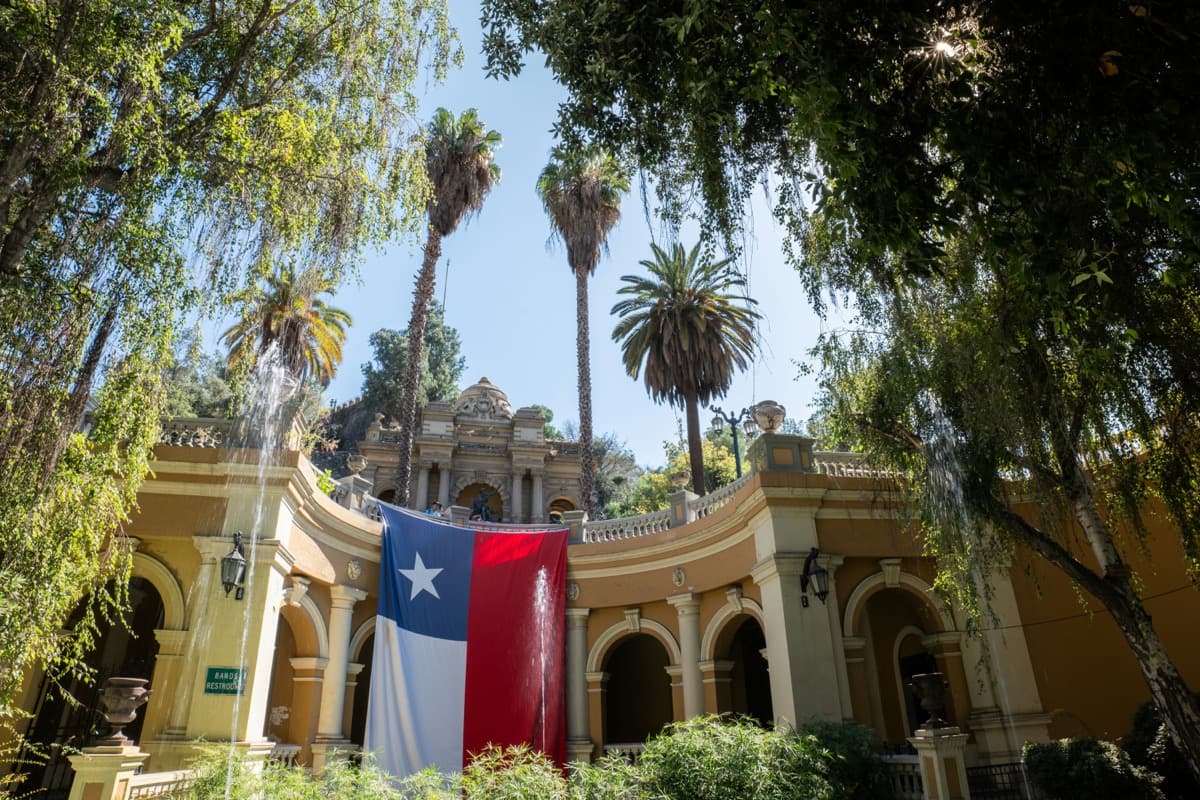
Photo by Vini Brasil on Unsplash
Ride the Cable Car at Cerro San Cristóbal
One of the most memorable experiences in Santiago is riding the Teleférico de Santiago, the cable car that takes visitors to the top of Cerro San Cristóbal, one of the highest hills in the city and part of the enormous Parque Metropolitano, the largest urban park in Chile.
From the cable car cabins you’ll get incredible panoramic views of Santiago and the Andes Mountains, making it one of the best photo spots in the entire city.
Where to Take the Cable Car
The main departure point is Estación Oasis, located at the entrance of Parque Metropolitano in the Providencia neighborhood.
Address area: Av. Pedro de Valdivia Norte / Av. El Cerro
The easiest way to get there is:
- Take the Santiago Metro Line 1 (Red Line)
- Get off at Pedro de Valdivia Station
- Walk about 15–17 minutes north toward the park entrance
Once inside the park, the Oasis station is located just a few steps from the entrance.
Cable Car Route
The cable car has three main stations:
- Oasis Station (starting point)
- Tupahue Station (midpoint with pools and viewpoints)
- Cumbre Station (the summit near the Virgin statue)
Most visitors ride the cable car all the way to Cumbre, the top of the hill where the famous Virgin of the Immaculate Conception statue stands overlooking Santiago.
Ticket Prices
Ticket prices are very affordable. Typical prices are approximately:
- Round trip: about 3,650–4,380 Chilean pesos (around $4–5 USD) depending on the day of the week
- One-way tickets: starting around 2,000 CLP
Prices can be slightly higher on weekends and holidays.
There is also a popular “Live the Park” ticket, which includes unlimited rides on the cable car, funicular, and panoramic buses inside the park for the entire day.
Can You Buy Tickets Online?
Yes. You can buy tickets in advance through the official website:
Tickets can also be purchased directly at the station, but buying online can save time during busy tourist seasons.
Opening Hours
The Teleférico generally operates:
Tuesday to Sunday: 10:00 AM – 7:45 PM
Monday: Closed (maintenance day)
Schedules may vary depending on the season, so it’s always a good idea to check the official website before visiting.
Insider Tip
One of the best ways to experience Cerro San Cristóbal is to take the cable car up and the historic funicular down on the other side of the hill near Barrio Bellavista. This lets you enjoy two different scenic routes while exploring the park.
At the top you’ll also find:
- The Virgin statue viewpoint
- Food stands selling mote con huesillo, a traditional Chilean drink made with wheat and peaches
- Small cafés and souvenir shops
- Incredible views of the entire Santiago valley
On clear winter days, when the Andes are covered in snow, the view from the summit is absolutely spectacular.
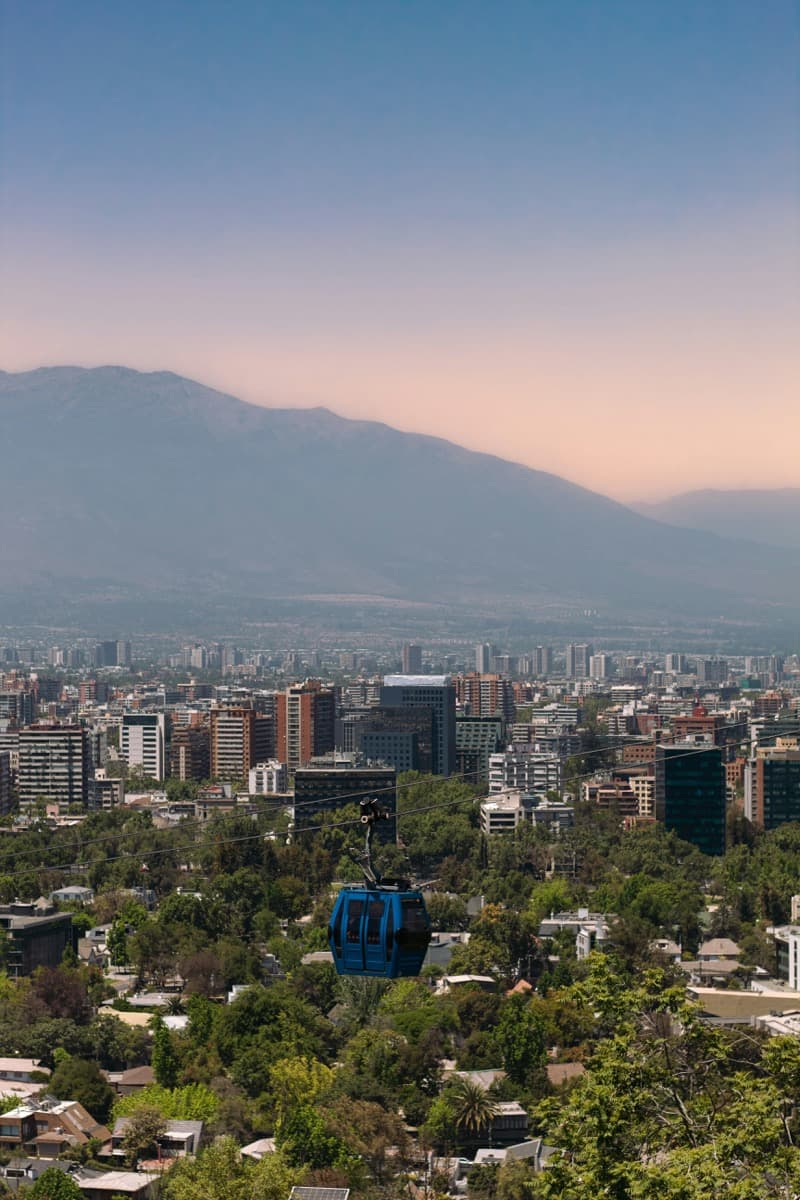
Photo by Daniel Prado on Unsplash
Discover Barrio Lastarria
One of the most charming and culturally rich neighborhoods in Santiago is Barrio Lastarria, a small historic district located between Cerro Santa Lucía and Parque Forestal. Today it is considered one of the most vibrant areas in the city, known for its restaurants, cafés, art galleries, theaters, bookstores, and lively street atmosphere.
The closest metro station to Barrio Lastarria is Universidad Católica Station (Line 1 – the Red Line), which makes it very easy to reach from most parts of the city.
The neighborhood is named after José Victorino Lastarria, a 19th-century Chilean writer, intellectual, and political figure who played an important role in Chile’s cultural and democratic development. During the late 1800s and early 1900s, the area became home to many artists, writers, and academics, giving it a strong intellectual and cultural identity that continues today.
Much of the architecture in Barrio Lastarria dates from the late 19th and early 20th centuries, when Santiago was expanding and adopting European architectural styles. Walking through the neighborhood you’ll notice beautiful historic buildings, small plazas, and narrow streets that give the area a unique character compared to the modern parts of the city.
Over the past two decades, Barrio Lastarria has transformed into one of Santiago’s most popular cultural and gastronomic districts. The neighborhood is full of boutique restaurants, wine bars, craft cocktail bars, independent bookstores, and art spaces, making it a favorite place for both locals and visitors.
The area is also home to several important cultural institutions, including:
- Museo Nacional de Bellas Artes (Museum of Fine Arts) — Chile’s most important art museum, located right next to Parque Forestal, a beautiful green park that runs along the Mapocho River. mnba.gob.cl
- Centro Cultural Gabriela Mistral (GAM) — One of Santiago’s main cultural centers, hosting exhibitions, concerts, theater performances, and art events. gam.cl
During weekends, the streets often fill with street performers, artists, and small artisan markets, giving the neighborhood a lively and creative atmosphere. In the evening, the area becomes especially popular for dinner and drinks, with many restaurants offering outdoor terraces where you can enjoy Chilean wine and local cuisine.
Because of its walkable streets, historic architecture, and cultural energy, Barrio Lastarria is widely considered one of the best neighborhoods to explore in Santiago.
Recommended Cafe – Restaurant
Wonderland Cafe Chile
If you’re looking for a fun and unique place to visit, stop by Wonderland Cafe, a magical café inspired by Alice in Wonderland. The entire three-floor building is decorated with scenes and objects from the famous story, making it feel like you’ve stepped into another world.
It’s a great place to enjoy coffee, desserts, or a light meal while exploring the neighborhood.
Website: wonderlandcafe.cl
The café is located right in the heart of Barrio Lastarria, so it’s very easy to visit while walking around the area.
Visit Sky Costanera (Best View in Santiago)
If you want the best panoramic view of Santiago, head to Sky Costanera, the observation deck located at the top of the Gran Torre Costanera, the tallest building in South America at 300 meters (984 feet).
From the top, you can see the entire city stretching across the valley, surrounded by the dramatic Andes Mountains. On clear days, the view is truly spectacular and gives you a sense of how large Santiago really is.
How to Get There
Sky Costanera is located inside the Costanera Center, the largest shopping mall in Chile.
The easiest way to get there is by metro:
Closest metro station: Tobalaba Station – Line 1 (Red Line) and Line 4 (Blue Line)
Once you exit the metro station, you’ll arrive directly at Costanera Center Mall.
Where to Buy Tickets
To visit the observation deck:
- Enter Costanera Center Mall
- Go down to the lowest floor (Nivel 0 / Subsuelo)
- Look for the Sky Costanera ticket counter
After purchasing your ticket, you will take a high-speed elevator to the top of the tower. The elevators are very fast and take visitors to the observation deck in less than one minute.
You can also buy tickets online in advance through the official website: skycostanera.cl
Buying tickets online can be helpful during busy weekends or holidays.
Ticket Price
Lunes a domingo y festivos
- Adulto (+13): $23.000 Chilean pesos
- Niño (4–12): $8.000 Chilean pesos
- Infantes de 0–3 años: gratis
Opening Days and Hours
Monday to Sunday
Opening hours typically range from 10:00 AM to 10:00 PM, with the last entry usually about one hour before closing.
Schedules may change depending on holidays or maintenance, so it’s always a good idea to check the official website before visiting.
Best Time to Visit
The best time to visit Sky Costanera is around sunset.
At that time you can see:
- The city during daylight
- The sunset over the mountains
- Santiago lighting up at night
If you want clearer views of the Andes, the best visibility usually happens in winter or early morning, when the air is less hazy.
Travel Tip: If you plan to visit Cerro San Cristóbal and Sky Costanera during the same day, try to visit Cerro San Cristóbal in the morning and Sky Costanera at sunset for the best lighting and views.
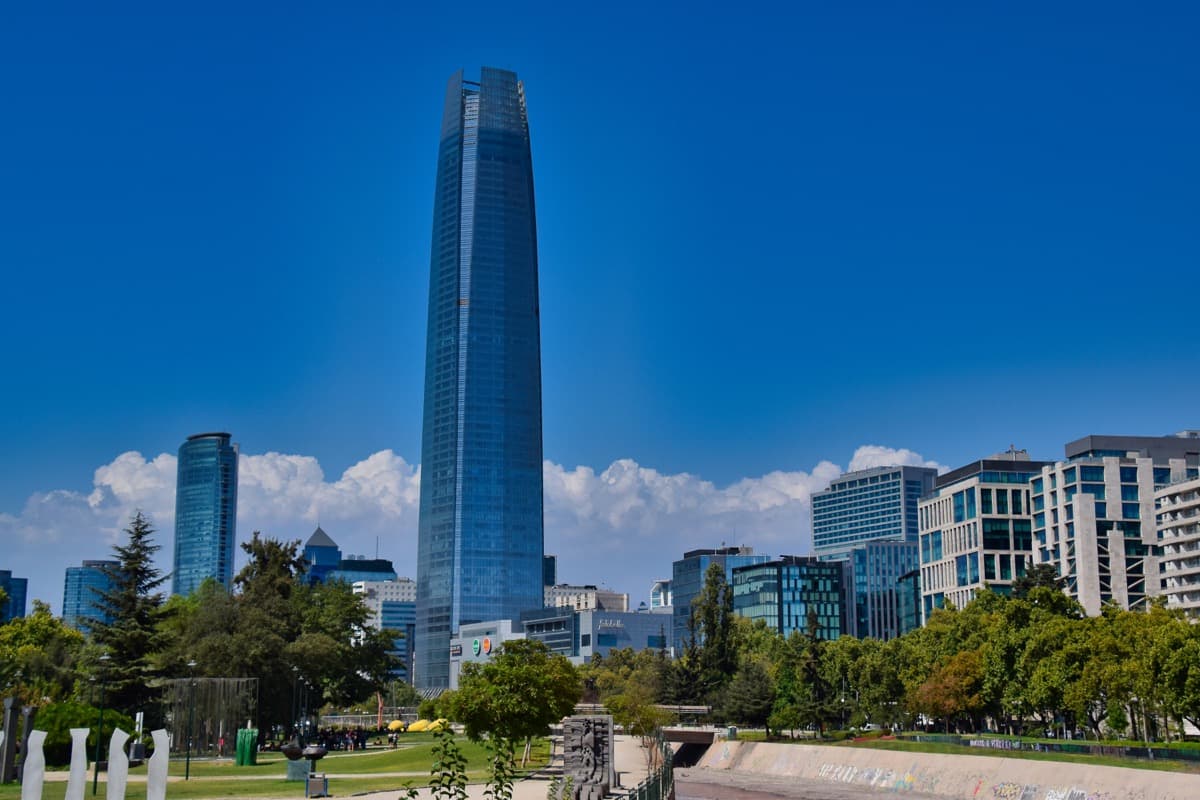
Photo by Jeffrey Eisen on Unsplash
Explore Santiago’s Wine Culture
Chile is one of the world’s most famous wine-producing countries, and Santiago is surrounded by some of the country’s most important wine regions. Because of its location in the Central Valley, the city is only a short drive from vineyards that produce internationally recognized wines.
Wine has been part of Chilean culture since the 16th century, when Spanish settlers first introduced grape cultivation to the region. Today, Chile is one of the top wine exporters in the world, and visiting a vineyard is one of the most popular experiences for travelers visiting Santiago.
Many wineries offer guided tours, tastings, and cellar visits, where you can learn about the wine-making process while tasting some of Chile’s best wines.
Some of the most famous wine regions near Santiago include:
- Maipo Valley — Located just south of Santiago, this region is especially famous for its Cabernet Sauvignon, considered some of the best in South America.
- Casablanca Valley — Located between Santiago and the Pacific coast, Casablanca is known for producing excellent Sauvignon Blanc and Chardonnay thanks to its cooler coastal climate.
- Colchagua Valley — One of Chile’s most prestigious wine regions, known for premium red wines such as Carmenere, Syrah, and Malbec.
For most travelers visiting Santiago, the easiest and most popular vineyard to visit is Viña Concha y Toro.
Recommended Wine Tour – Viña Concha y Toro
If you only have time to visit one vineyard while in Santiago, the best option is Viña Concha y Toro, the largest and most famous winery in Chile.
Founded in 1883, Concha y Toro has become one of the most recognized wine brands in the world. The vineyard is located in the Maipo Valley, about 1 hour from downtown Santiago.
During the guided tour you will:
- Walk through the beautiful historic gardens and vineyards
- Visit the old wine cellars, including the famous Casillero del Diablo cellar
- Learn about the wine production process
- Enjoy wine tastings of some of their most popular wines
The Casillero del Diablo legend is part of the winery’s history. According to the story, the owner spread rumors that the devil lived in the cellar to prevent workers from stealing wine. The story became so popular that it later became the name of one of Chile’s most famous wines.
Typical tour prices start around $35–$45 USD per person, depending on the tour package and transportation options.
You can book the tour directly on their official website: conchaytoro.com
Many tours include transportation from Santiago, which makes it very easy for visitors who don’t want to rent a car.
Why Wine Tours Are So Popular in Santiago
Wine tours are one of the most popular activities for visitors because they combine:
- Beautiful countryside landscapes
- Chilean gastronomy
- Wine tastings
- A relaxing half-day or full-day excursion outside the city
For many travelers, visiting a vineyard is one of the highlights of their trip to Santiago.
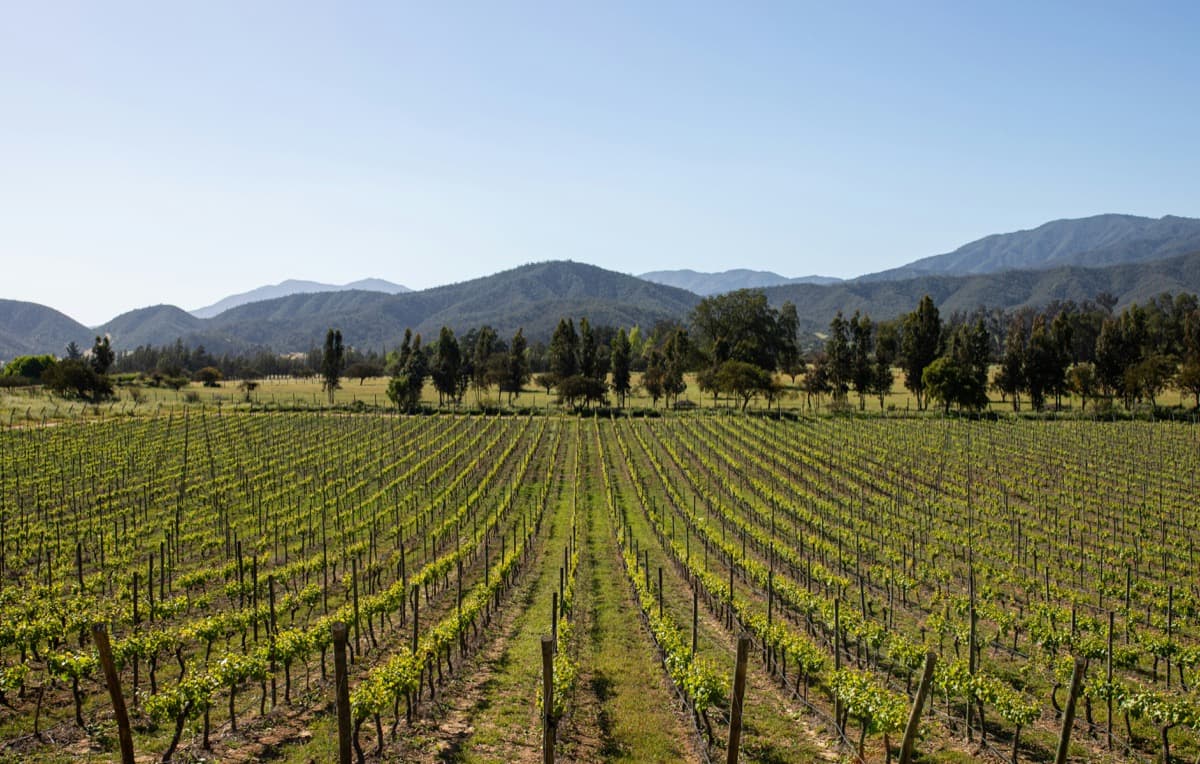
Photo by Nicolas Gutierrez Cervetto on Unsplash
Visit Santiago’s Traditional Markets
One of the best ways to experience Santiago like a local is by visiting one of the city’s traditional markets, where you’ll find fresh seafood, local dishes, small restaurants, and a lively atmosphere. These markets have been part of the city’s culture for more than a century and remain popular gathering places for locals.
Mercado Central
The most famous market in Santiago is Mercado Central, located near the historic center and only a short walk from Plaza de Armas.
The market was inaugurated in 1872 and is considered one of the most beautiful markets in South America thanks to its large wrought-iron structure, which was designed in England and shipped to Chile during the 19th century.
Mercado Central is especially known for its fresh seafood restaurants, since Chile has one of the longest coastlines in the world. Many visitors come here to try traditional Chilean seafood dishes such as:
- Ceviche
- Caldillo de congrio (a famous Chilean conger eel soup)
- King crab (centolla)
- Grilled fish and shellfish
Inside the market you’ll find several restaurants competing for customers, with waiters often inviting visitors to sit at their tables. While some restaurants are more tourist-oriented, the experience of eating fresh seafood inside this historic building is still a memorable stop when visiting downtown Santiago.
Mercado Central is located about 10 minutes walking from Plaza de Armas, making it an easy stop while exploring the historic center.
Mercado Tirso de Molina
Another interesting market to visit near the historic center is Mercado Tirso de Molina, located just across the Mapocho River from Mercado Central.
This market is smaller and more local, offering a variety of fresh fruit juices, traditional Chilean snacks, empanadas, and affordable lunch options. One of the highlights is the juice stands where vendors prepare drinks using exotic fruits grown in Chile such as chirimoya, lúcuma, mango, and maracuyá.
Because it is less touristy than Mercado Central, Mercado Tirso de Molina gives visitors a glimpse of everyday life in Santiago.
Travel Tip
If you visit Mercado Central, try going around lunchtime when the market is at its liveliest. It’s the perfect place to sit down, enjoy fresh seafood, and experience the energy of one of Santiago’s most historic culinary spots.
Best Time to Visit Santiago
Santiago can be visited year-round, but the best seasons are usually:
- Spring (September – November) — Pleasant temperatures and blooming parks.
- Summer (December – February) — Warm weather and clear skies.
Winter (June – August) can be cooler and sometimes rainy, but it’s also the perfect time if you want to combine Santiago with skiing in the Andes.
Santiago as the Gateway to Chile
Santiago is not only Chile’s capital but also the main gateway to the country’s most famous destinations.
From here you can easily travel to:
- Patagonia and Torres del Paine
- Atacama Desert
- Easter Island
- Chilean wine regions
- Pacific coast beaches
For most travelers, Santiago is the perfect place to begin exploring Chile.
Keep Reading
Explore more Chile destination guides and plan the next stop on your itinerary.
Destination Guide
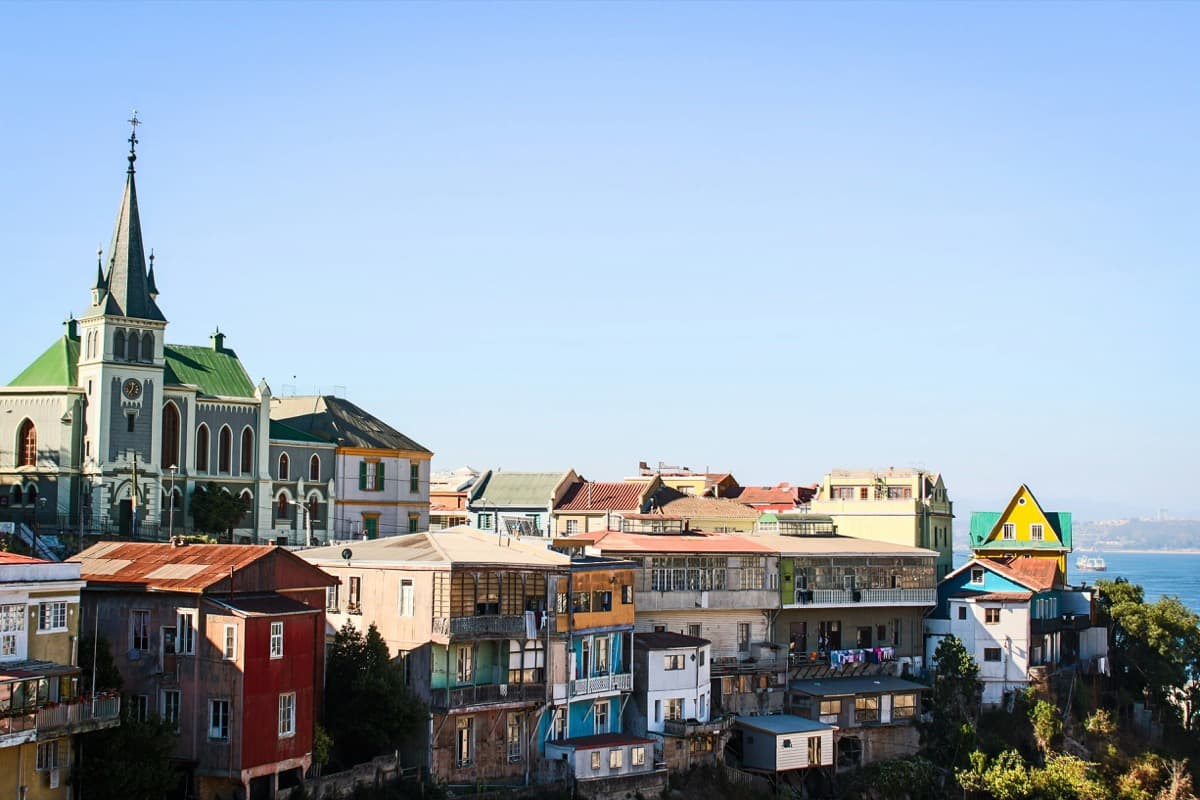
Valparaíso
Valparaíso is Chile's creative capital, known for its hillside elevators, bohemian cafes, and Pacific sunsets.
Destination Guide
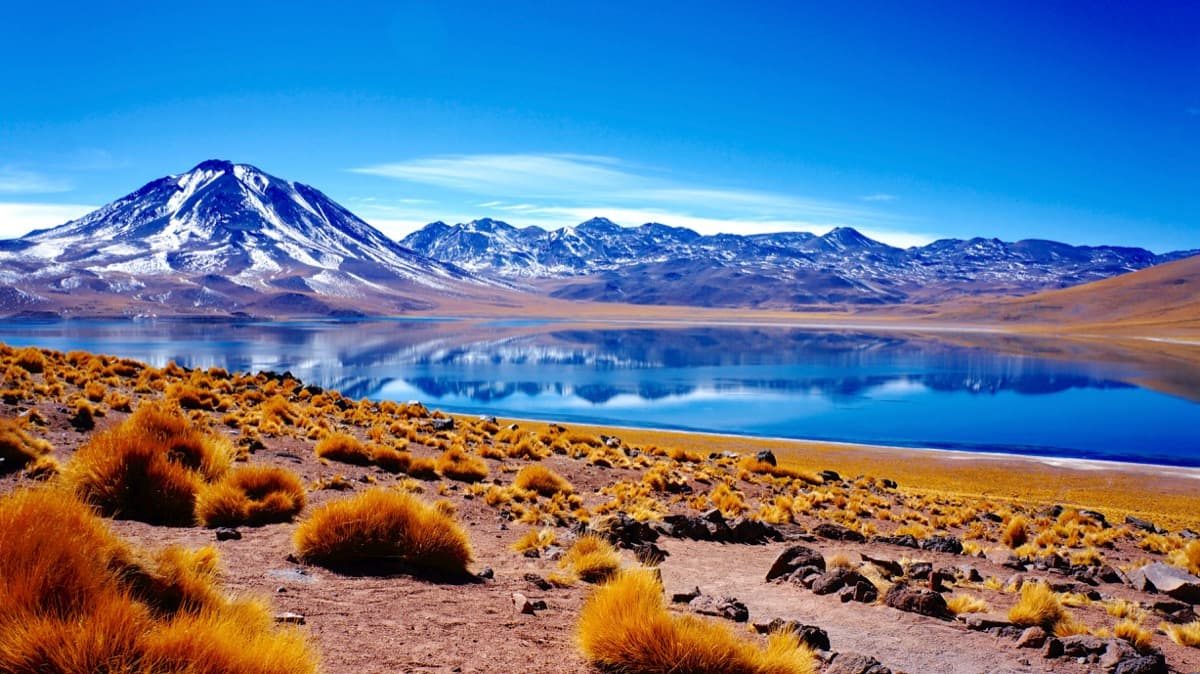
Atacama Desert
The Atacama delivers lunar landscapes, flamingo lagoons, and world-class stargazing. Base yourself in San Pedro de Atacama for easy access to tours.
Destination Guide
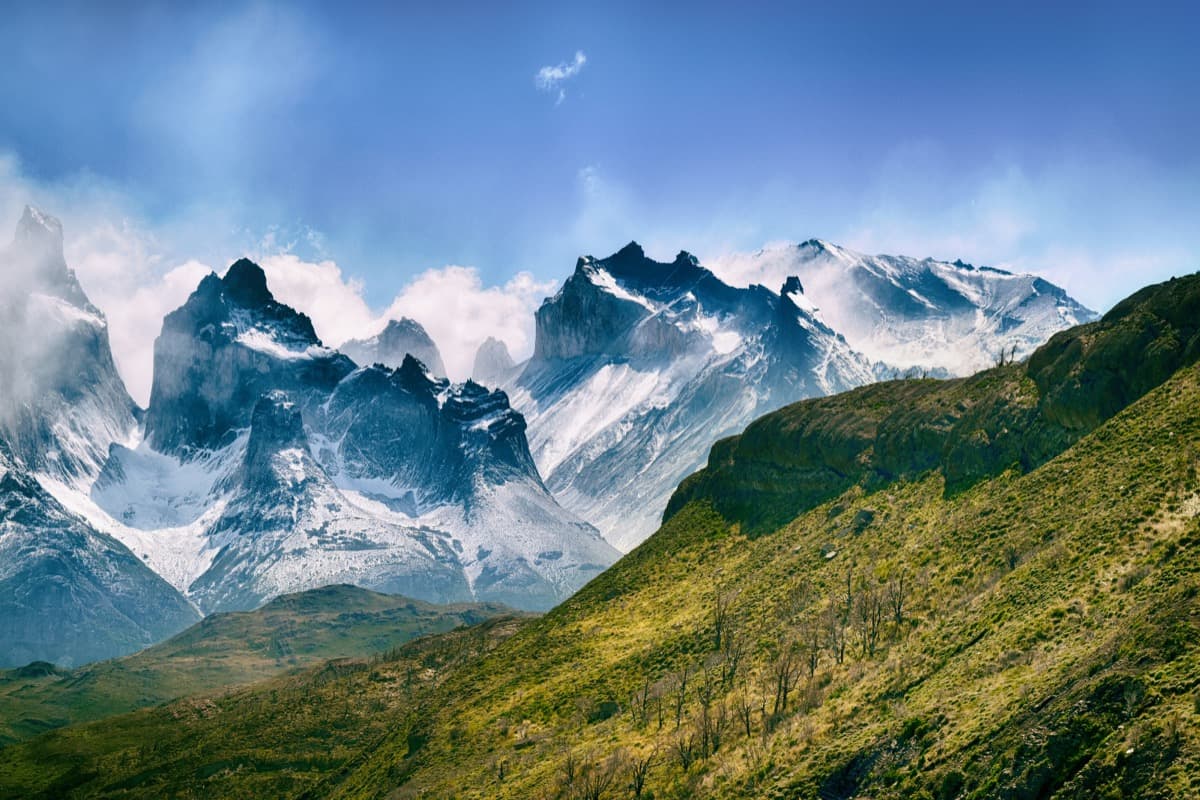
Patagonia
Patagonia is a dream for hikers and photographers. Torres del Paine, glacier cruises, and remote lodges make this a once-in-a-lifetime journey.
Destination Guide
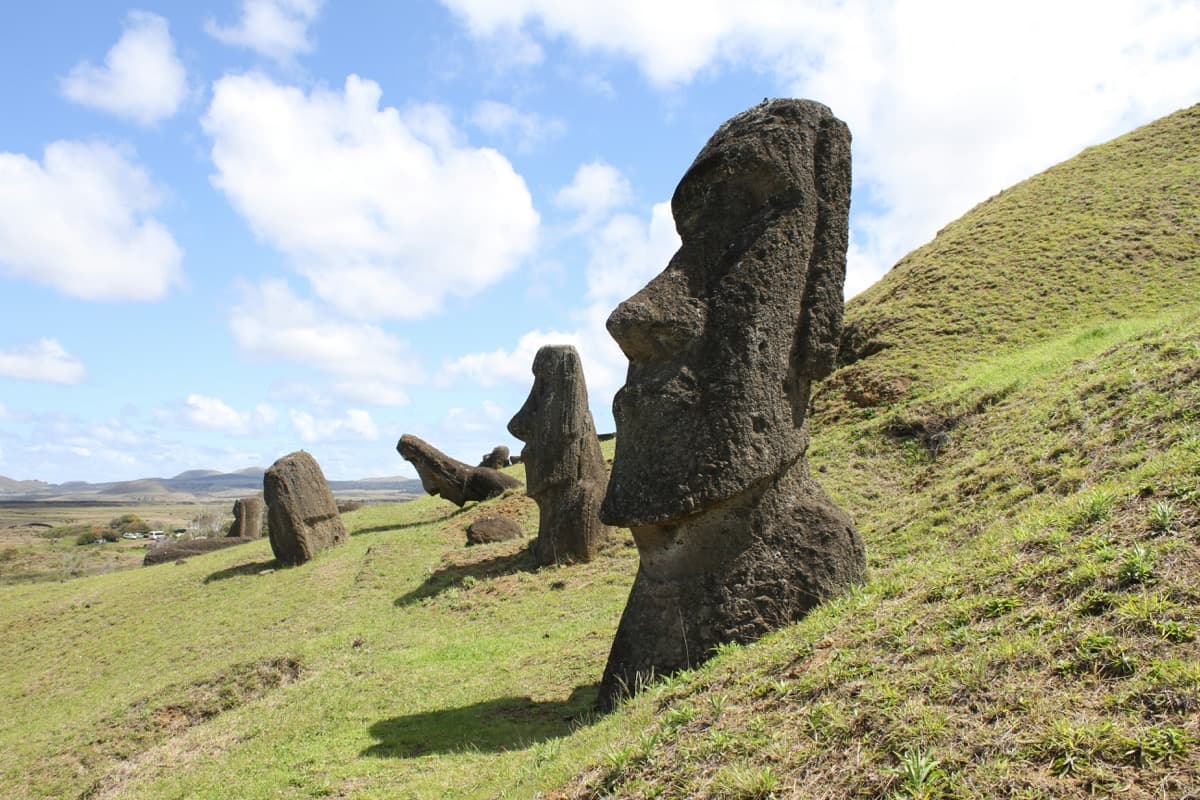
Easter Island
Easter Island feels like another world. Explore volcanic craters, hidden beaches, and ancient ceremonial sites with local guides.