
Best Time to Visit Chile
It Depends on What Kind of Traveler You Are
This article may contain affiliate links.
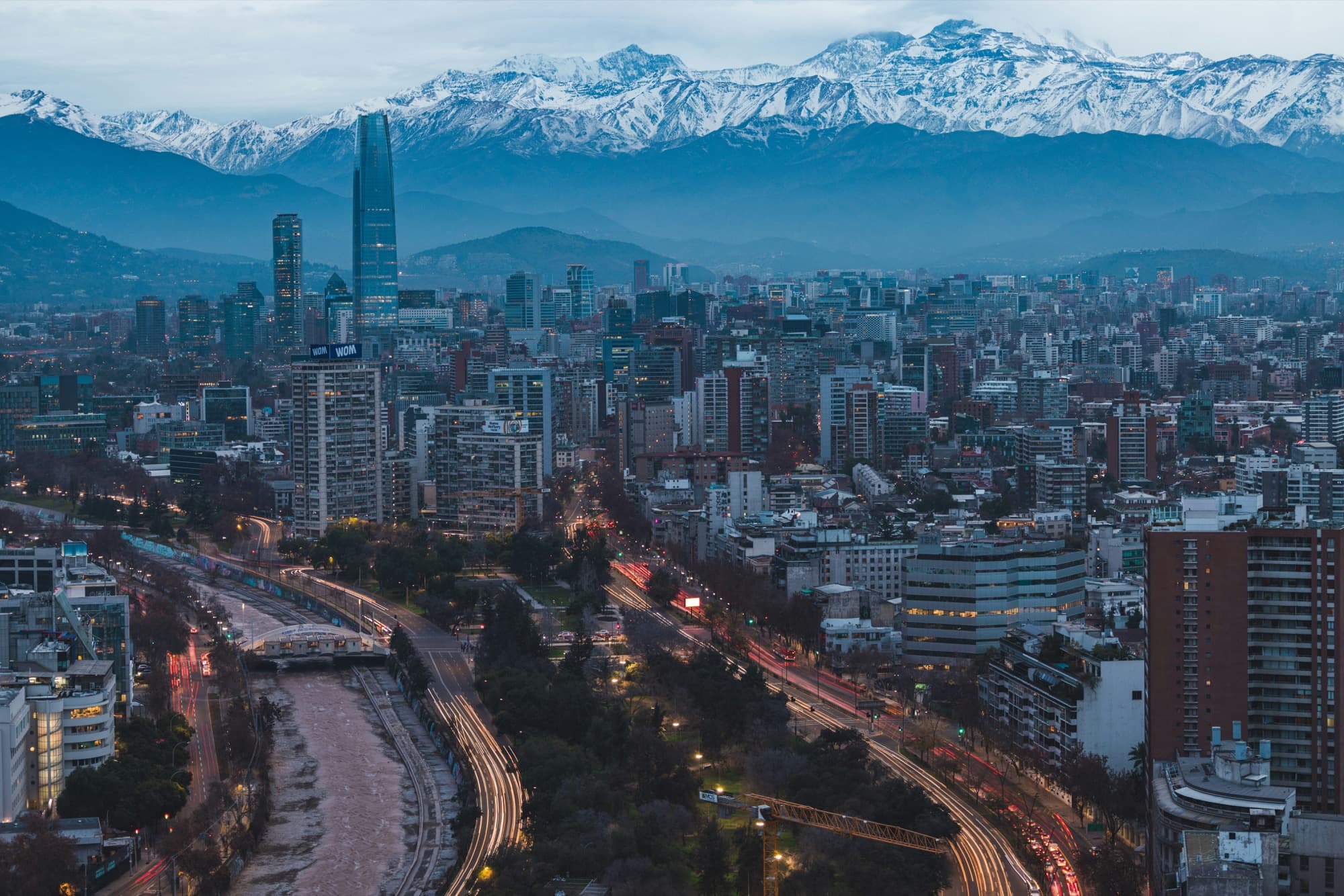
Photo by Chalo Gallardo on Unsplash
If you’re looking for a simple answer — there isn’t one.
The “best” time to visit Chile depends entirely on what you want to experience. Chile stretches over 4,000 kilometers (2,600 miles) from the driest desert on Earth to icy Patagonian glaciers, so the seasons feel very different depending on where you are.
If you love skiing and snowboarding, Chilean winter will be your paradise. If you picture yourself hiking in Patagonia, surfing in Pichilemu, or walking around Santiago in sunglasses and a T-shirt, summer might be perfect. And if you’re someone who loves golden vineyards, crisp air, and stepping on fallen leaves in quiet streets — autumn in Chile is incredibly underrated.
Below, we break it down by season so you can decide what fits your travel style.
☀️ Summer (December – February)
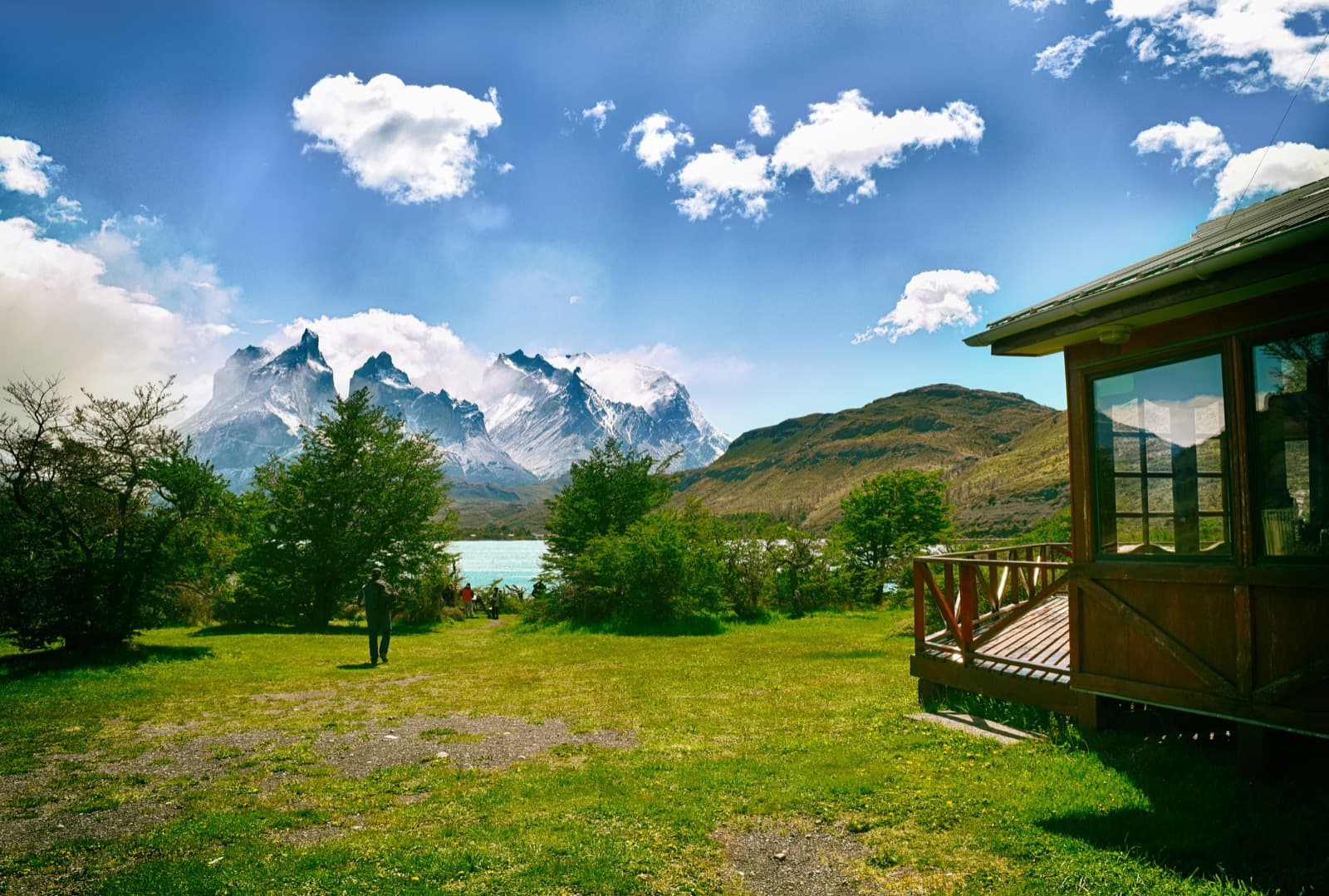
Photo by Olga Stalska on Unplash
Summer in Chile runs from December through February, and this is the peak travel season — especially for Patagonia.
The days are long, the weather is warm, and most regions are fully accessible. In Santiago and central Chile, temperatures range between 28–35°C (82–95°F), with dry, sunny days that feel almost Mediterranean. It’s perfect for rooftop drinks, wine tours in the Casablanca Valley, and coastal escapes to places like Valparaíso or Viña del Mar.
In Patagonia, summer is prime hiking season. Torres del Paine is at its most accessible, with extended daylight hours that give you more time on the trails. Expect wind (Patagonia is always windy), but also dramatic blue skies and epic mountain views.
The downside? It’s the busiest and most expensive time of year. If you’re visiting in January, book accommodation and tours well in advance.
Best for: Hiking in Patagonia, road trips, beach days, wine tours, first-time visitors
🍂 Autumn (March – May)
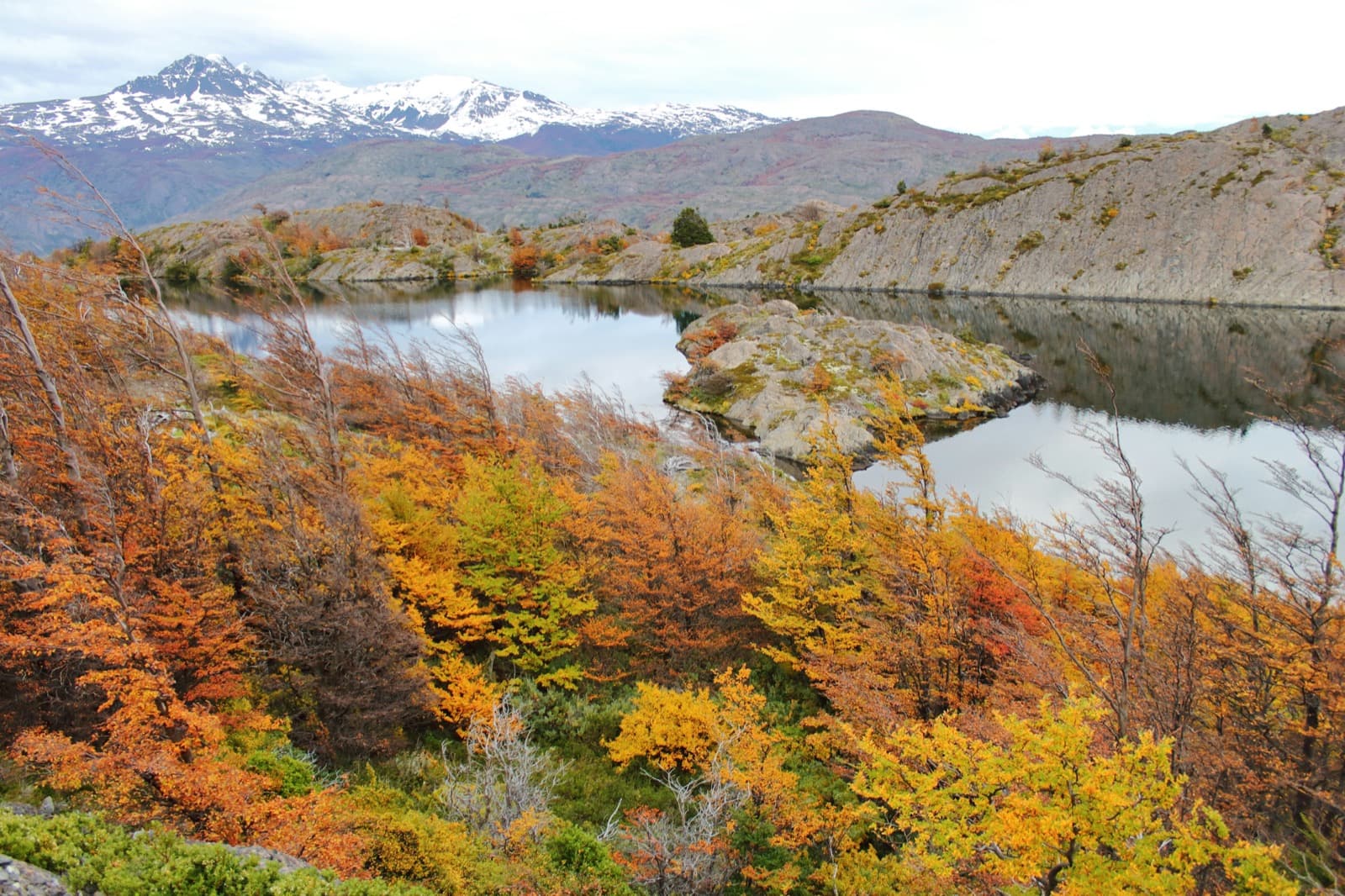
Photo by Karla Robinson on Unsplash
Autumn might be Chile’s most overlooked season — and honestly, one of the most beautiful.
From March to May, temperatures start to cool down, especially in Santiago and central Chile. Vineyards turn deep red and gold, parks fill with fallen leaves, and the crowds begin to disappear. There’s something incredibly satisfying about walking through a quiet street covered in autumn leaves, coffee in hand.
This is also harvest season in Chile’s wine regions. If you enjoy wine, this is one of the best times to visit vineyards and experience the grape harvest atmosphere.
Patagonia begins cooling down significantly in late April and May, and some services start to close, so early autumn is better than late autumn for southern travel.
Best for: Wine lovers, fewer crowds, mild weather, photography, relaxed city travel
❄️ Winter (June – August)
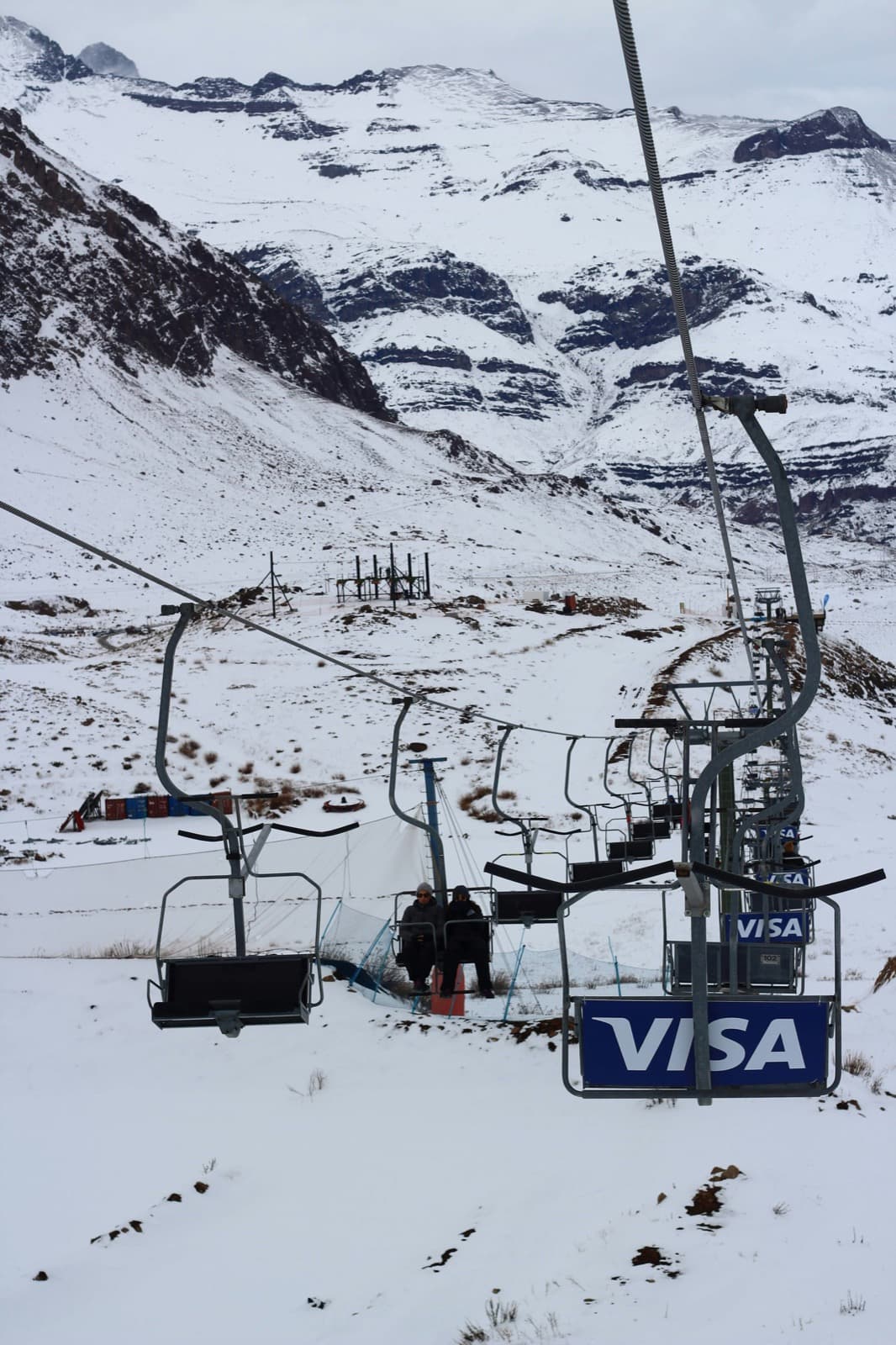
Photo by Nathana Reboucas on Unsplash
Winter in Chile runs from June to August, and this is ski season in the Andes.
If you’re into skiing or snowboarding, Chile’s winter is ideal. Resorts like Valle Nevado, La Parva, and Portillo are located just a short drive from Santiago. It’s a pretty unique experience — you can ski in the morning and return to the city for dinner at night.
In Santiago and central Chile, winter temperatures are cool but manageable (around 10–15°C / 50–60°F during the day). Some days are gray, and air quality can dip due to thermal inversion, but it’s still very visitable.
Patagonia in winter is dramatic and beautiful — but very cold, with limited access to trails and services. This is not peak hiking season.
Meanwhile, the Atacama Desert remains accessible year-round, though nights can be freezing due to altitude.
Best for: Skiing and snowboarding, fewer tourists, lower accommodation prices, desert travel (with proper layers)
🌸 Spring (September – November)
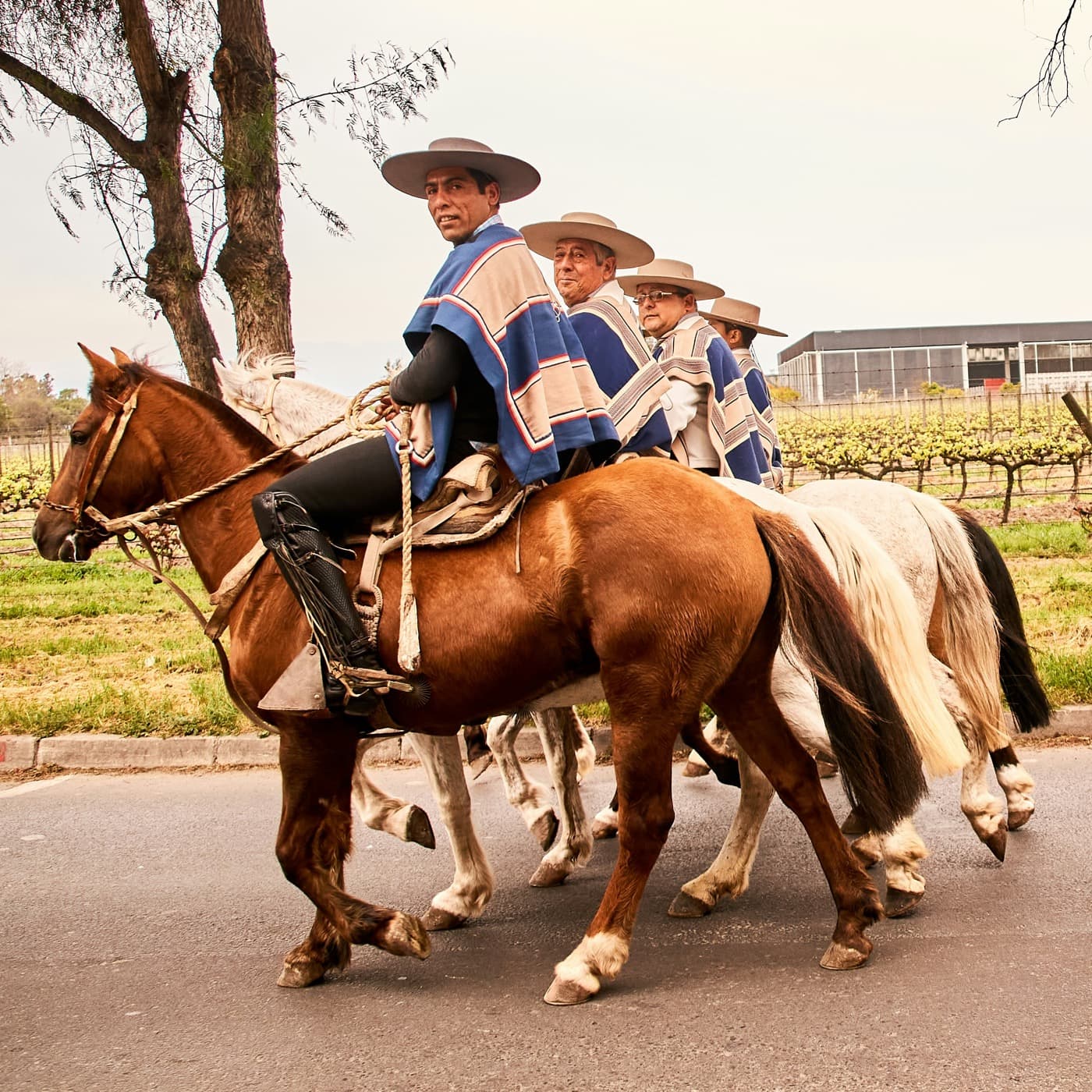
Photo by Ignacio Amenabar on Unsplash
Spring in Chile feels fresh and alive.
From September to November, temperatures begin warming up, flowers bloom, and the country starts preparing for summer. September is especially lively because of Chile’s Independence celebrations (Fiestas Patrias), when the country fills with music, traditional food, and festivals.
Spring is a fantastic balance: fewer crowds than summer, comfortable temperatures, and improving weather conditions for Patagonia hiking (especially in November).
Surf conditions are strong along the central coast, and Santiago feels energetic again after winter.
Best for: Balanced weather, cultural celebrations, hiking before peak crowds, surfing, great value travel
So… When Is the Best Time to Visit Chile?
If you want the classic “everything is open, best weather for Patagonia” experience — choose summer (December to February).
If you want fewer crowds and beautiful landscapes — autumn or spring might actually be better.
If you want snow and mountain sports — winter is your season.
Chile doesn’t really have a single “perfect” time. It has different personalities throughout the year. The key is matching the season to the kind of trip you’re dreaming about.
Keep Reading
Explore more Chile trip-planning guides, practical tips, and itinerary ideas.
Travel Safety
Is Chile Safe?
Understand city awareness, regional safety, and practical travel habits for a smoother trip.
Budget Planning
Trip Cost
Plan your daily budget for hotels, food, flights, tours, and comfort level across Chile.
Entry Rules
Visa Guide
Review entry rules, passport considerations, and the essentials to check before departure.
Getting Around
Transportation
Compare flights, long-distance buses, and local transport to move around Chile efficiently.
Trip Outline
7-Day Itinerary
Follow a polished one-week route through Santiago, the coast, wine country, and Patagonia.