
Destination Guide
Valparaíso
A colorful port city filled with murals, hills, and sea views.
Valparaíso is Chile's creative capital, known for its hillside elevators, bohemian cafes, and Pacific sunsets.
Just 1.5 hours from Santiago lies Valparaíso, Chile’s most colorful and artistic city. Built across steep hills overlooking the Pacific Ocean, Valparaíso is famous for its vibrant street art, historic funicular elevators, and bohemian atmosphere. Once one of the most important port cities in South America, it still preserves its 19th-century charm through narrow alleyways, pastel-painted houses, and hidden viewpoints. Wander through Cerro Alegre and Cerro Concepción, stop at small cafés with ocean views, and explore the city’s artistic spirit that inspired Nobel Prize-winning poet Pablo Neruda. Valparaíso is perfect for a relaxed 1–2 day visit and is often combined with nearby Viña del Mar.
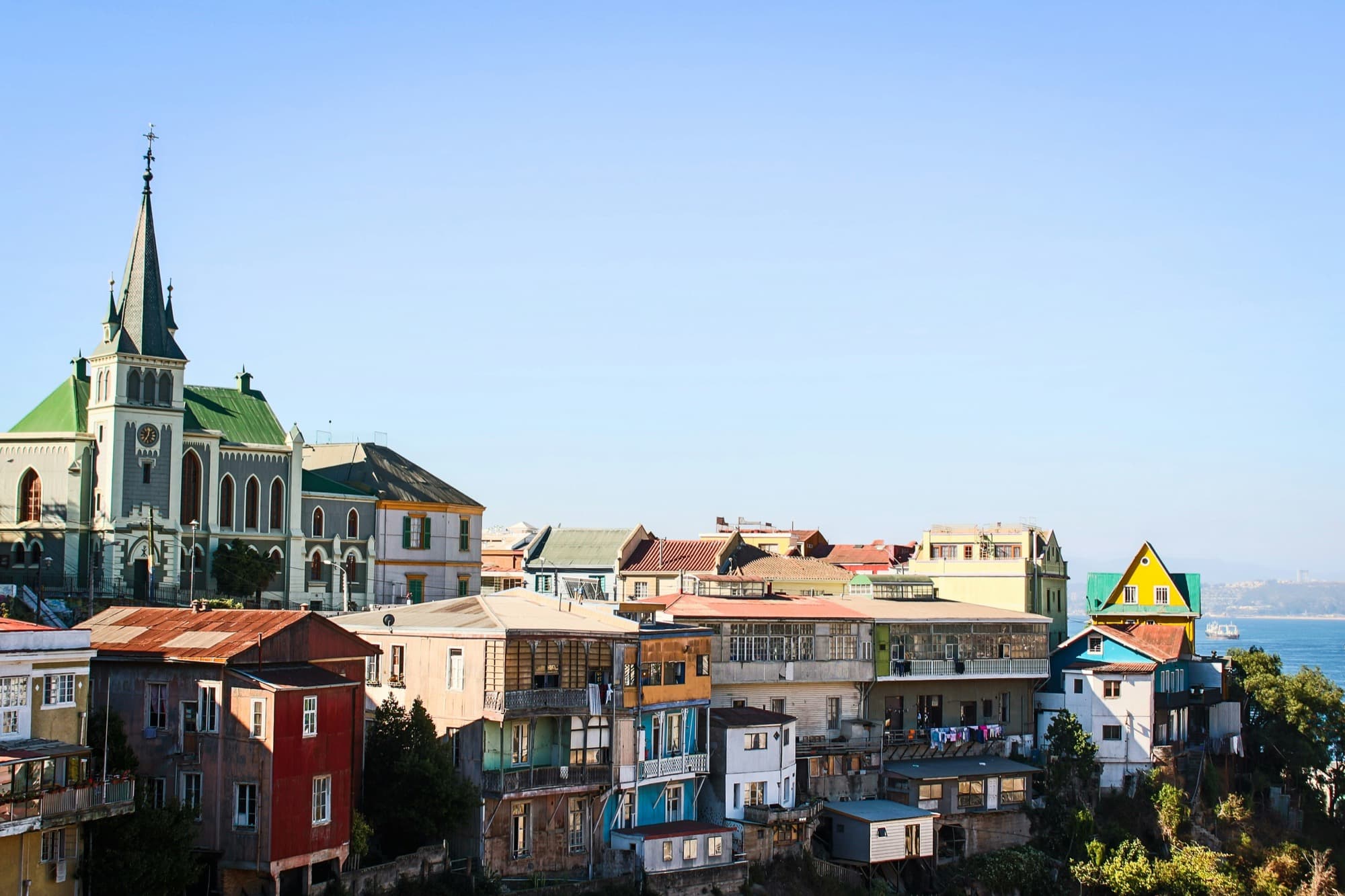
Photo by Fabiola Llerena on Unsplash
This article may contain affiliate links.
THINGS TO DO IN VALPARAÍSO, CHILE
Visitors searching for things to do in Valparaíso Chile will discover one of the most colorful and unique cities in South America. Famous for its hillside houses, street art, historic funicular elevators, and vibrant port culture, Valparaíso offers a mix of history, art, and ocean views unlike anywhere else in Chile. This Valparaíso travel guide highlights the city’s most famous attractions, historic neighborhoods, viewpoints, and cultural landmarks to help you plan the perfect visit to Chile’s most artistic coastal city.
How to Get to Valparaíso from Santiago
Valparaíso is located about 120 kilometers (75 miles) from Santiago and can be reached in about 1.5 hours.
The most common ways to get there are:
Bus — Cheapest and Easiest Option
Taking the bus is the most popular and convenient way to travel from Santiago to Valparaíso.
Buses depart from Terminal Alameda (Terminal Sur), located next to Metro Universidad de Santiago (Line 1 – Red Line).
You can book tickets online with these reliable companies:
- TurBus — turbus.cl
- Pullman Bus — pullmanbus.cl
- Cóndor Bus — condorbus.cl
Buses run every 15–30 minutes, and the journey takes about 1.5 to 2 hours. Prices usually range between 5,000–10,000 CLP ($5–10 USD).
Car — Flexible and Scenic Option
Driving from Santiago to Valparaíso takes about 1 hour and 30 minutes via Route 68, a scenic highway connecting the capital with the coast.
If you want flexibility (especially to stop in Casablanca Valley), renting a car is a great option.
You can book rental cars online with:
- Hertz — hertz.cl
- Europcar — europcar.cl
- Chilean Rent a Car — chileanrentacar.cl
All of these companies have offices at Santiago International Airport (SCL) and in the city, making pickup easy right after arrival.
Guided Day Tours — Most Comfortable Option
Many visitors choose guided day tours that combine Valparaíso, Viña del Mar, and wine tasting in Casablanca Valley.
This is the best option if you want a stress-free experience without worrying about transportation or planning.
Recommended Tour
Viña del Mar, Valparaíso, Casablanca, Reñaca & Oceanic Rock
If you're short on time and want to experience many of the highlights described in this Valparaíso guide, this full-day tour from Santiago is an excellent option. It takes you to several of the key destinations mentioned throughout this article, making it one of the easiest ways to explore the region in a single day.
This is actually the tour I personally took when visiting the area, and I absolutely loved it.
The experience begins with a scenic drive from Santiago through the Casablanca Valley, one of Chile’s famous wine regions, where you stop for wine and olive oil tastings before continuing toward the Pacific coast. From there, you explore the colorful hills of Valparaíso, followed by visits to Viña del Mar, the iconic Flower Clock, and Reñaca Beach.
It’s a fantastic way to see some of the most beautiful coastal destinations near Santiago without worrying about transportation or planning logistics.
When I took this tour, it cost around $40 USD per person, which is excellent value for a full-day guided experience including transportation and multiple stops.
If you only have a few days in Santiago and want to explore the coast, this is one of the best tours you can do.
Explore Cerro Alegre and Cerro Concepción
The best way to experience Valparaíso is by exploring its cerros, or hills. Two of the most famous are Cerro Alegre and Cerro Concepción, which are known for their colorful houses, narrow streets, street art, and incredible ocean views.
These hills became popular residential areas during the 19th century, when European immigrants — especially British and German merchants — settled in the city during Valparaíso’s golden age as one of the most important ports in the Pacific.
Today the area is filled with:
- Boutique hotels
- Art galleries
- Small cafés and restaurants
- Street murals and graffiti art
- Scenic viewpoints over the Pacific Ocean
Walking through Cerro Alegre and Cerro Concepción feels like exploring an open-air museum of street art and architecture, and it’s easily one of the most photogenic parts of the city.
Some of the most famous viewpoints in this area include:
- Paseo Yugoslavo — A beautiful terrace with panoramic views of the harbor and historic port area.
- Paseo Gervasoni — One of the most popular viewpoints in Valparaíso, known for its colorful buildings and street performers.
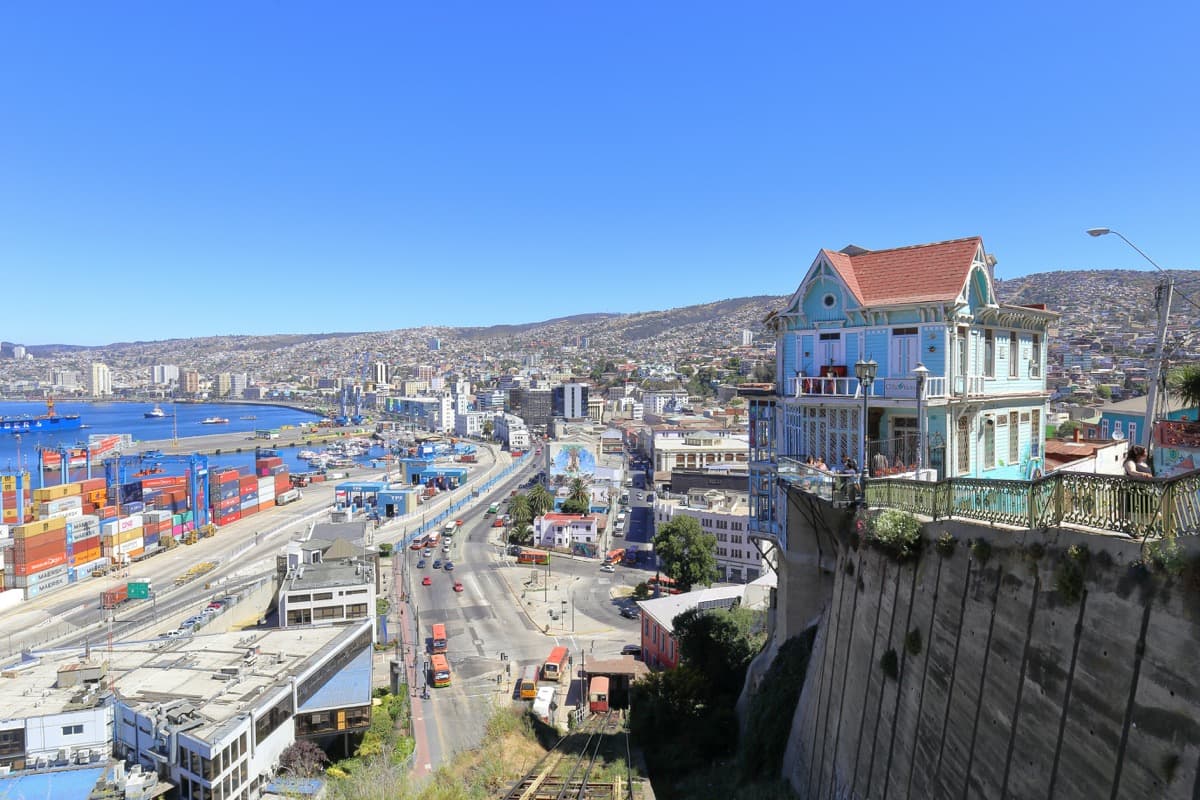
Photo by Martin Woortman on Unsplash
Ride Valparaíso’s Historic Funicular Elevators
One of the most unique features of Valparaíso is its historic funicular elevators, known locally as ascensores. These elevators were built in the late 19th and early 20th centuries to help residents move between the port area and the steep hills above the city.
At one point, Valparaíso had more than 30 funicular elevators, and today several of them are still operating and have become historic monuments.
Some of the most famous ones include:
- Ascensor El Peral — Connects Plaza Sotomayor with Paseo Yugoslavo.
- Ascensor Reina Victoria — One of the most scenic elevators, offering beautiful views of the city.
- Ascensor Concepción — One of the oldest elevators in the city, built in 1883.
Riding these elevators is not only convenient but also a classic Valparaíso experience.
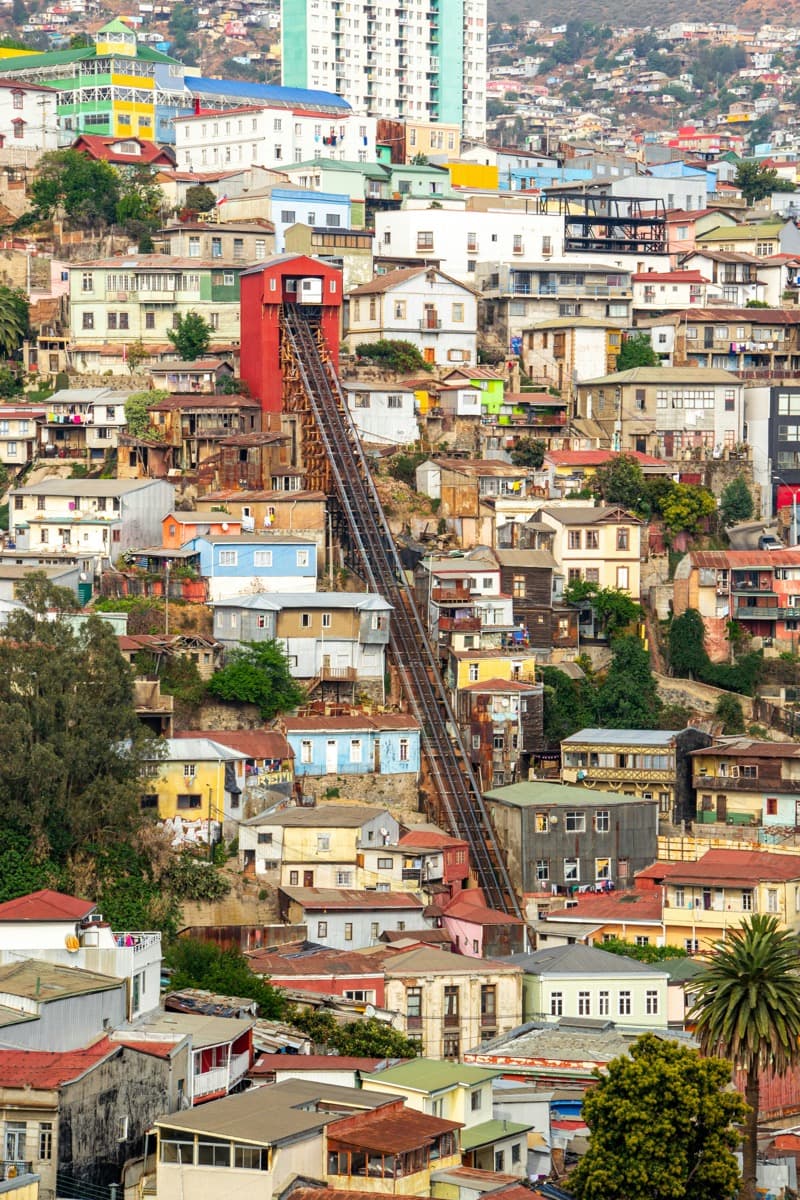
Photo by David Vives on Unsplash
Discover Valparaíso’s Street Art
Valparaíso is widely considered the street art capital of Chile, and one of the most famous street art cities in Latin America.
Walking through the hills, especially around Cerro Alegre, Cerro Concepción, and Cerro Bellavista, you’ll find colorful murals covering entire buildings and staircases.
Many of these works are created by local and international artists, transforming the city into a giant outdoor gallery.
One of the best places to see street art is:
Museo a Cielo Abierto (Open Sky Museum) — A collection of large murals painted across houses and walls in Cerro Bellavista. The project began in the 1990s and features artwork from some of Chile’s most famous artists.
Street art tours are also available for visitors who want to learn about the artists and the stories behind the murals.
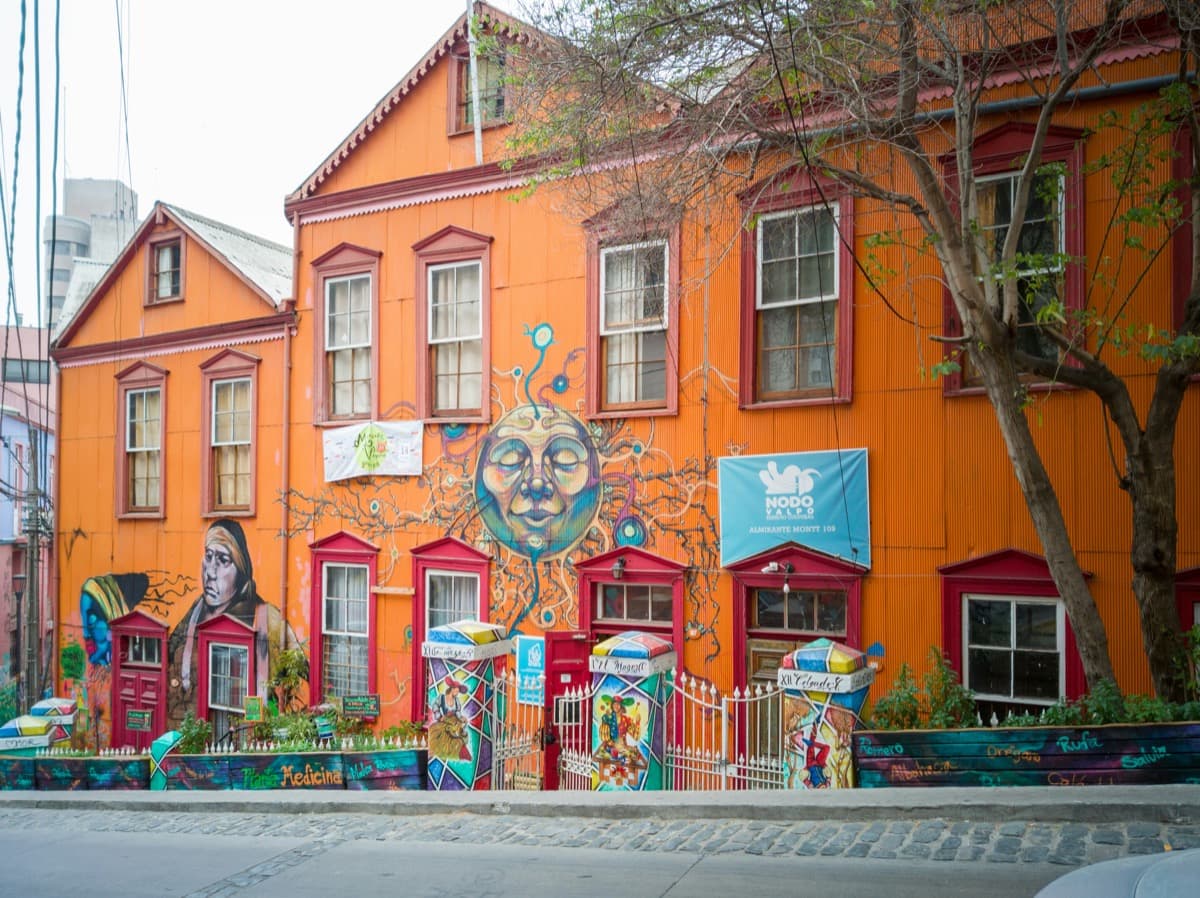
Photo by David Vives on Unsplash
Visit La Sebastiana (Pablo Neruda’s House)
One of the most famous landmarks in Valparaíso is La Sebastiana, the former house of Chilean poet Pablo Neruda, who won the Nobel Prize in Literature in 1971.
Neruda loved Valparaíso for its chaotic beauty and views of the sea, and he designed the house to reflect his creative personality. The building is filled with unusual objects, ship decorations, and colorful rooms overlooking the port.
Today, the house has been turned into a museum dedicated to Neruda’s life and work.
Visitors can explore the rooms, learn about Neruda’s poetry, and enjoy one of the best views of Valparaíso from the upper floors.
Walk Around Plaza Sotomayor and the Port Area
At the base of Valparaíso’s colorful hills lies Plaza Sotomayor, the historic and symbolic heart of the city’s port district. This square has played a central role in Chile’s naval and commercial history for over a century and remains one of the most important public spaces in Valparaíso.
During the late 19th and early 20th centuries, when Valparaíso was one of the most important ports in the Pacific, this plaza functioned as a key administrative and commercial hub, where government officials, naval authorities, merchants, and travelers all passed through. At the time, before the Panama Canal existed, Valparaíso was a crucial stop for ships traveling between the Atlantic and Pacific Oceans.
Today, the plaza still reflects that maritime importance and is surrounded by some of the city’s most iconic buildings.
Monument to the Heroes of Iquique
At the center of the square stands the Monument to the Heroes of Iquique, one of the most important national monuments in Chile.
This monument honors the Chilean naval heroes who fought in the Battle of Iquique (1879) during the War of the Pacific, a conflict between Chile and the allied forces of Peru and Bolivia. The battle is one of the most significant moments in Chilean history, especially because of the actions of Captain Arturo Prat, who became a national hero after boarding an enemy ship during combat.
What many visitors don’t realize is that beneath the monument lies a mausoleum, where the remains of Arturo Prat and other naval heroes are buried.
Chilean Navy Building (Edificio de la Armada de Chile)
One of the most striking buildings in the plaza is the Chilean Navy Building, easily recognizable by its light blue façade and elegant neoclassical design.
This building serves as the headquarters of the Chilean Navy and symbolizes Valparaíso’s deep connection to maritime power and naval history.
The current structure was built in the early 20th century after the original building was destroyed in the 1906 Valparaíso earthquake, one of the most devastating earthquakes in Chile’s history. The reconstruction of the building, and much of the surrounding area, reflects the city’s importance at the time as a global port.
Its architecture combines European influences with strong institutional design, representing stability, authority, and Chile’s naval heritage.
Valparaíso Port
Right next to the plaza is the Port of Valparaíso, which has been the backbone of the city since its founding.
In the 19th century, Valparaíso became one of the most important ports in the world, especially during the California Gold Rush and before the opening of the Panama Canal in 1914. Ships traveling around Cape Horn would stop here, bringing trade, wealth, and cultural influence to the city.
Although its global importance declined after the Panama Canal opened, the port remains one of the most important in Chile today, handling cargo and cruise ships.
Boat Tours Around the Harbor
From the port area, visitors can take short boat tours around the bay, which offer a completely different perspective of Valparaíso.
To book these tours, head to the small dock area near Muelle Prat, located just a few steps from Plaza Sotomayor. This is where local operators offer boat rides directly at the pier, and you can simply walk up and buy a ticket on the spot, no advance booking needed.
The boats usually depart once they fill up with passengers, and prices are very affordable (typically around 3,000–5,000 CLP per person, depending on the season).
From the water, you’ll be able to see:
- The colorful houses climbing the hills
- Historic funicular elevators
- Cargo ships and naval vessels
- The full amphitheater-like shape of the city
These boat tours are simple, authentic, and a great way to understand how Valparaíso developed as a port city, all while enjoying one of the best views of the coastline.
Why This Area Matters
Plaza Sotomayor is not just a place to walk through — it represents the identity of Valparaíso.
Here you can clearly see the elements that shaped the city:
- Its naval power
- Its importance as a trading port
- Its role in Chilean history
- Its connection to the sea
It’s the perfect starting point before heading up into the hills to explore Valparaíso’s colorful neighborhoods.
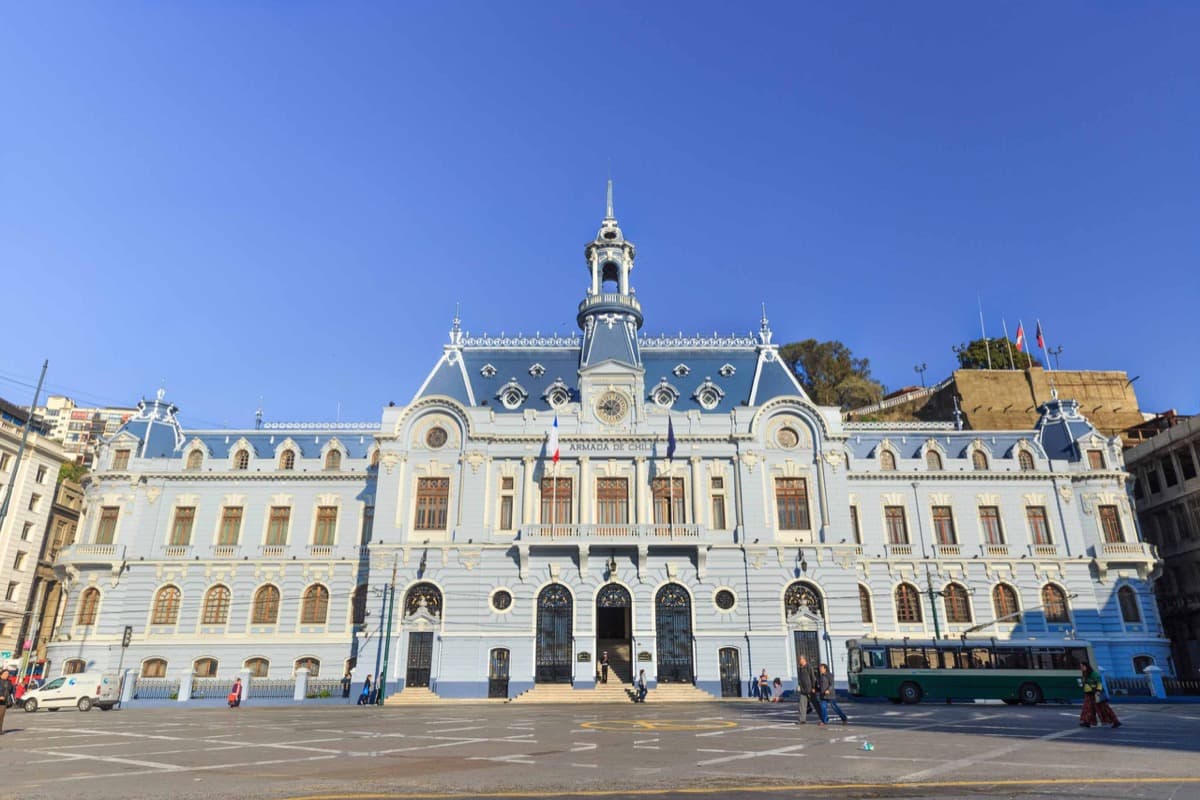
Photo from Chile Travel
Visit Paseo 21 de Mayo Viewpoint
One of the best viewpoints in Valparaíso is Paseo 21 de Mayo, located on Cerro Artillería.
From here you can enjoy spectacular views of:
- The entire port of Valparaíso
- The colorful hills of the city
- Cargo ships entering the harbor
- The Pacific Ocean
You can reach the viewpoint by taking Ascensor Artillería, another historic funicular elevator.
At the top you’ll also find small artisan markets selling souvenirs and handmade crafts.
Discover Valparaíso’s Bohemian Culture
Valparaíso has long been known for its bohemian and artistic atmosphere. For decades the city has attracted musicians, writers, painters, and performers who helped shape its creative identity.
The city’s nightlife is especially lively around the hills and historic neighborhoods, where you’ll find:
- Music bars
- Craft cocktail bars
- Live music venues
- Small theaters and art spaces
Because of its unique culture and architecture, Valparaíso was declared a UNESCO World Heritage Site in 2003.
Visit Nearby Viña del Mar
Only 10–15 minutes from Valparaíso, you’ll find the coastal city of Viña del Mar, often called the “Garden City” of Chile.
While Valparaíso is famous for its historic hills and artistic atmosphere, Viña del Mar offers a more modern and relaxed coastal vibe, known for:
- Beaches along the Pacific Ocean
- Modern hotels and restaurants
- The famous Flower Clock (Reloj de Flores)
- Coastal promenades perfect for walking
One of the most iconic landmarks in Viña del Mar is Wulff Castle (Castillo Wulff), a unique stone building perched dramatically on the rocks right above the ocean.
Built in the early 20th century by a German businessman, the castle combines European-style architecture with a truly spectacular seaside location. Waves crash directly against the rocks below, making it one of the most photogenic spots on the Chilean coast.
Today, the castle functions as a small cultural space and viewpoint, and even if you don’t go inside, it’s absolutely worth stopping by to take photos and enjoy the ocean views.
Many visitors explore Valparaíso and Viña del Mar on the same day, since the two cities are located right next to each other.
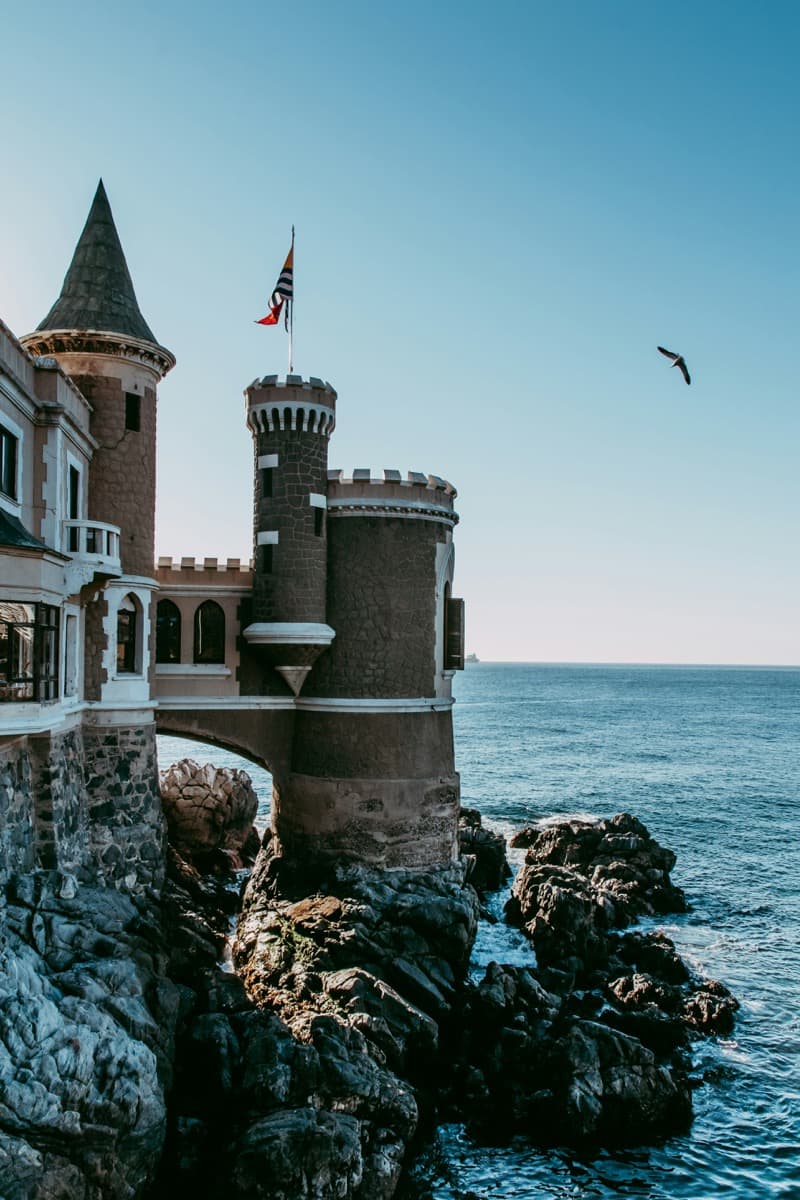
Photo by Caio Silva on Unplash
Best Time to Visit Valparaíso
Valparaíso can be visited throughout the year, but the best months are usually during spring and summer.
Spring (September – November) — Pleasant weather and fewer crowds.
Summer (December – February) — Warm temperatures and lively festivals, especially during the New Year celebrations.
Winter months can be cooler and sometimes foggy along the coast, but the city’s atmosphere remains charming year-round.
Valparaíso as One of Chile’s Most Unique Cities
With its colorful hills, artistic spirit, historic port, and ocean views, Valparaíso is unlike any other city in Chile.
For many travelers, visiting Valparaíso is one of the highlights of their trip to Chile, offering a perfect combination of culture, history, street art, and coastal scenery.
Keep Reading
Explore more Chile destination guides and plan the next stop on your itinerary.
Destination Guide
Santiago
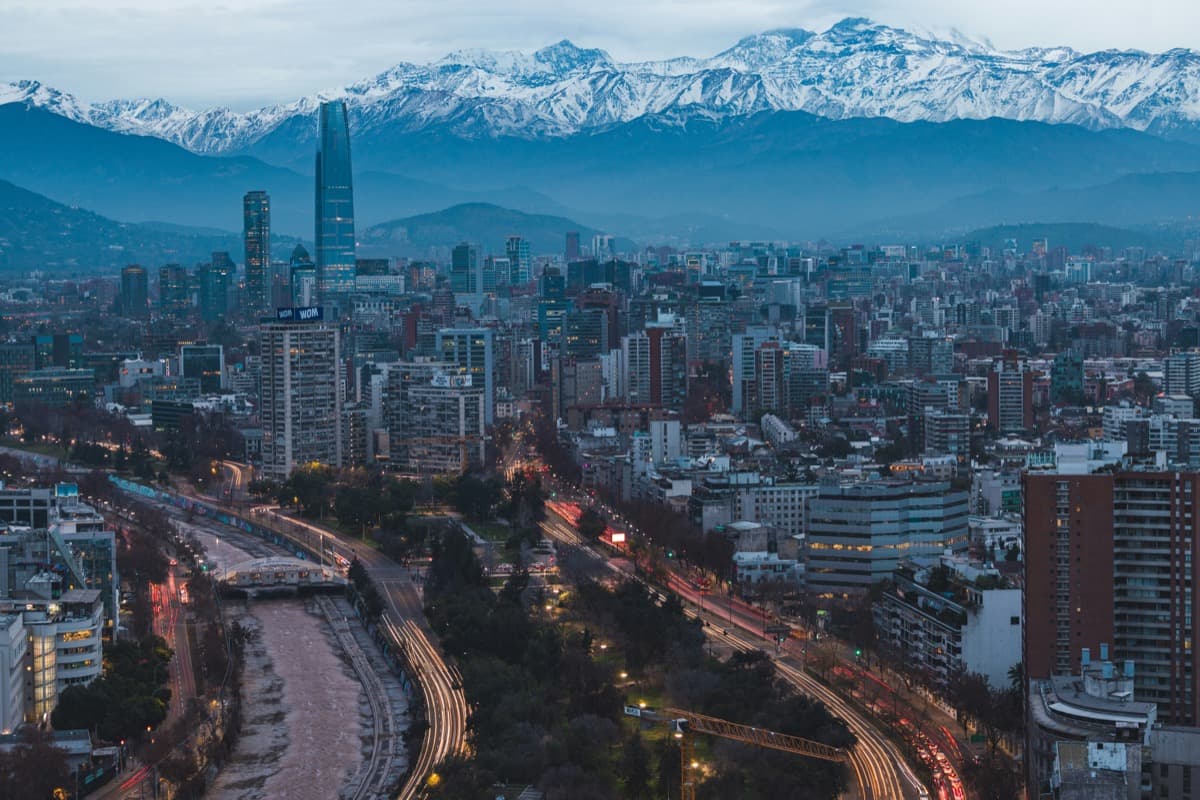
Santiago blends world-class dining, rooftop views, and day trips to the Andes. Use it as your launchpad for wine country, coastal escapes, and urban culture.

Destination Guide
Atacama Desert
The Atacama delivers lunar landscapes, flamingo lagoons, and world-class stargazing. Base yourself in San Pedro de Atacama for easy access to tours.

Destination Guide
Patagonia
Patagonia is a dream for hikers and photographers. Torres del Paine, glacier cruises, and remote lodges make this a once-in-a-lifetime journey.

Destination Guide
Easter Island
Easter Island feels like another world. Explore volcanic craters, hidden beaches, and ancient ceremonial sites with local guides.